
Select a Button Below or Scroll Down



ScienceWiz® STEM for Libraries and Schools
Everything You Need — Nothing to Design
- Each course includes 6-12 online STEM lessons
- Printable workbooks (PDF + print-friendly)
- Hands-on activities using real materials
- Companion books and reading materials
- STEM achievement badges + certificates
- Ready-to-use lessons (no teaching background required)
No prep. No lesson planning. No guessing what comes next.
Choose an Age — Then Select a Topic
Ages 5–8
Hands-on. Guided. Perfect for early explorers.
Ages 8–14
Independent thinking.
Real science. Deeper projects.
Physical Sciences- Physics
- Collisions & Trajectories
- Sound
- Light - Parts I & II
- Energy
Electricity & Magnetism- Charge
- Extreme Magnetism
- Electronics
- Inventions
Chemistry, Matter and Heat Transfer- Chemistry:
The Alphabet of the Universe - Heat and Temperature
Geology and Astrophysics- Rocks and Geology
- Moon
- Planets
Biology- Birds
- Mammals
- Frog Anatomy
- The Age of Giant Amphibians
- Cells & Organelles
- DNA
Explore Collisions and Trajectories
(with craft sticks and recyclables, DIY works fine)

Measure the pH of Vinegar
(With either store-bought or homemade indicator)
Build a DNA Ladder
(with pre-made materials or toothpicks and noodles)
Family Learning — All Ages 8+
Sibling-friendly. Designed for shared discovery.
Proof of Learning — Badges + Certificates
Perfect for homeschool portfolios, progress tracking, and student motivation.
Achievement Badge (example)
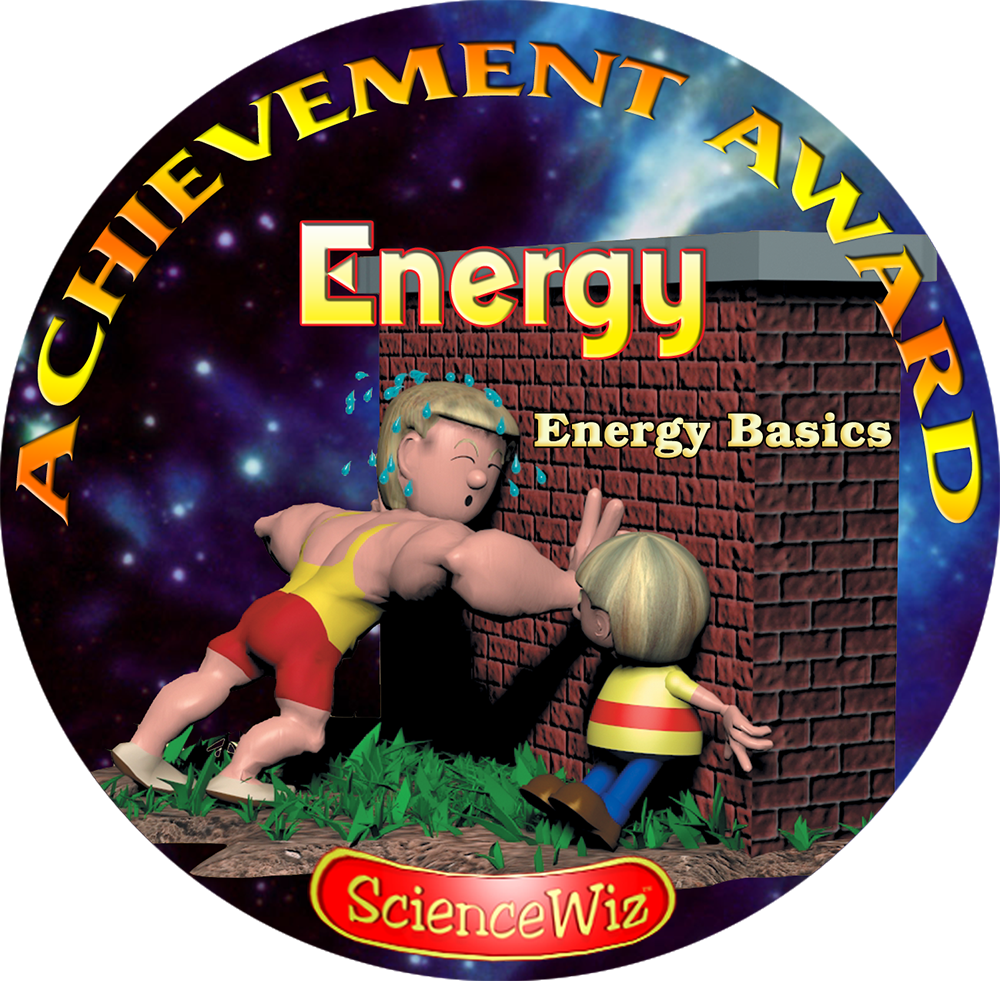
Earned when a class is completed.
Certificate of Achievement (example)
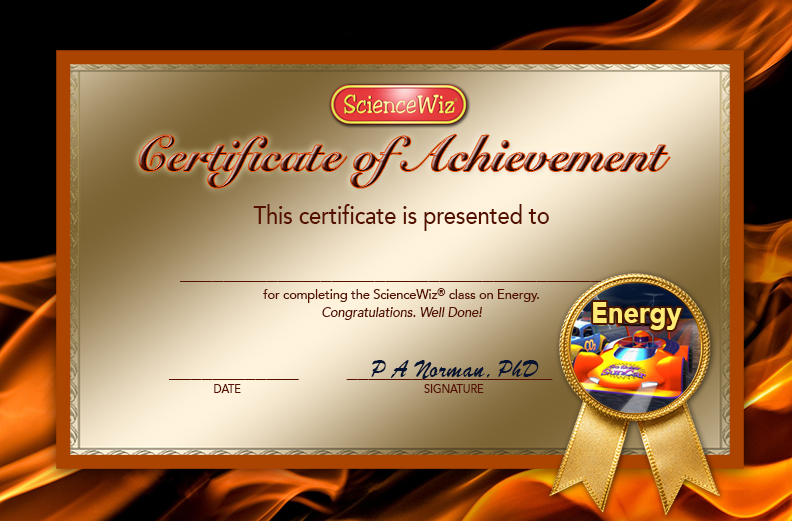
Printable for your homeschool portfolio.
How a course works
- Each topic includes 8–12 self-paced lessons
- Each lesson: quick video + hands-on build + short questions
- Printables included (activity pages + portfolio pages)
- Finish the topic → earn a badge + printable certificate
Awards for ScienceWiz titles INCLUDE:


A Complete Hands-On Science Course
Start the Complete Electricity Course
Discover electricity through hands-on projects and visual lessons designed for children and beginners. Build circuit loops, light bulbs, spin motors, and buzz buzzers. Test conductors and insulators, make a simple switch to send coded messages, and explore series and parallel circuits. Includes an online circuit construction kit and interactive electricity challenges.

Companion Course Materials Below

A Complete Hands-On Science Course
Start the Complete Chemistry Course
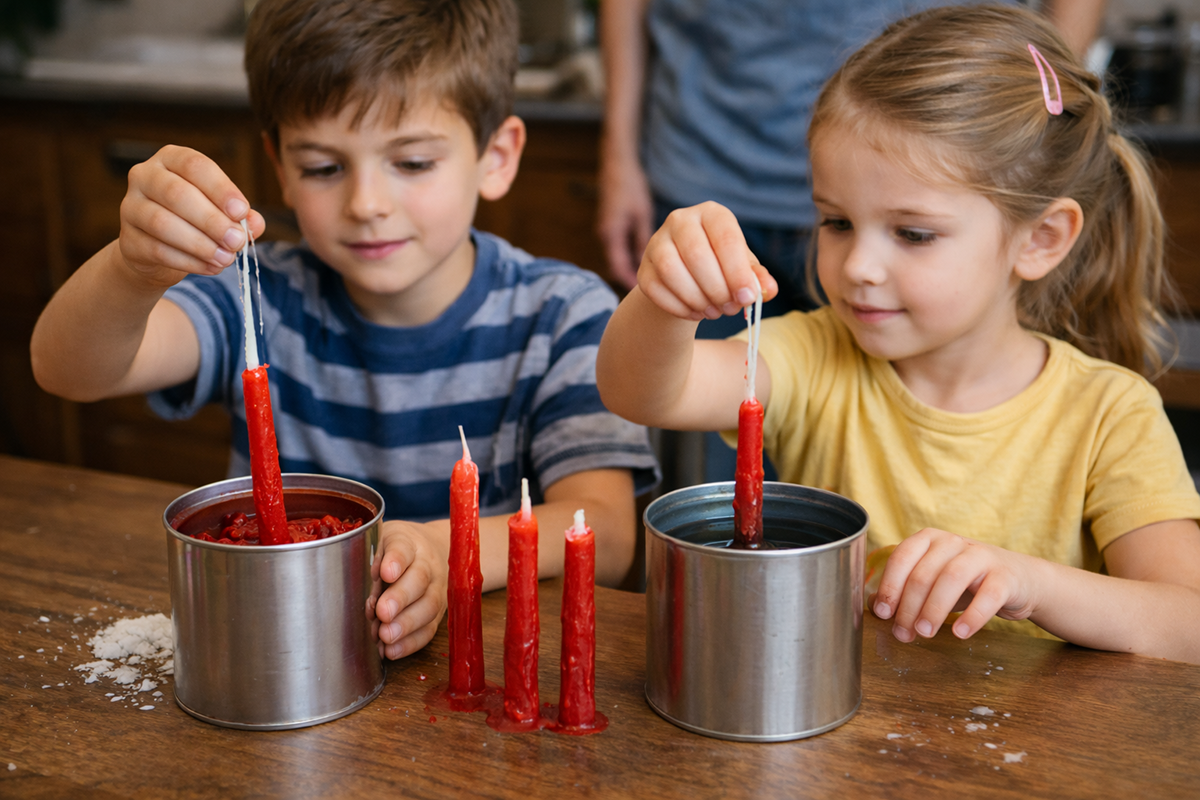
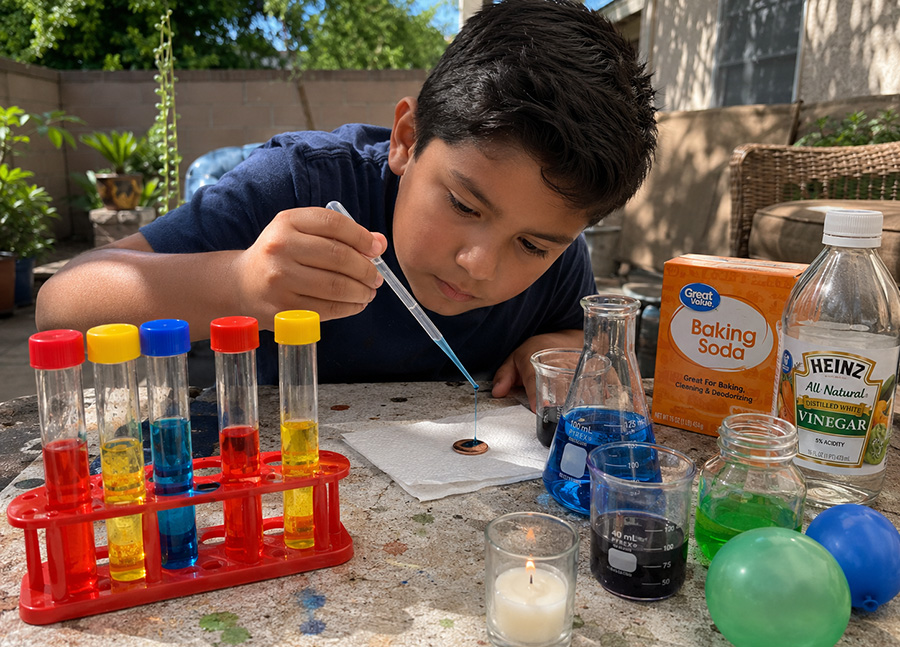
Chemistry: Solids, Liquids and Gases for ages 5 to 10. Candle making, water squirting, freezing, thawing, glop, and mud pie experiments — the kind of hands-on discoveries every child should experience while exploring the “matter” of matter.
This kitchen-chemistry course nurtures a love of science by connecting favorite childhood activities to fundamental ideas in chemistry.
It also lays the foundation for the later courses in chemistry, biology, and physics.
The hands-on activities include capturing a CO₂ explosion, squeezing an egg into a bottle, growing crystals, making candles, freezing liquids into solids, dissolving and filtering solids, dyeing a flower from the inside out, and exploring changes in states of matter.
Uses everyday materials except for low melt candle wax
that can be purchased online or in craft stores.
Companion Course Materials Below

A Complete Hands-On Science Course
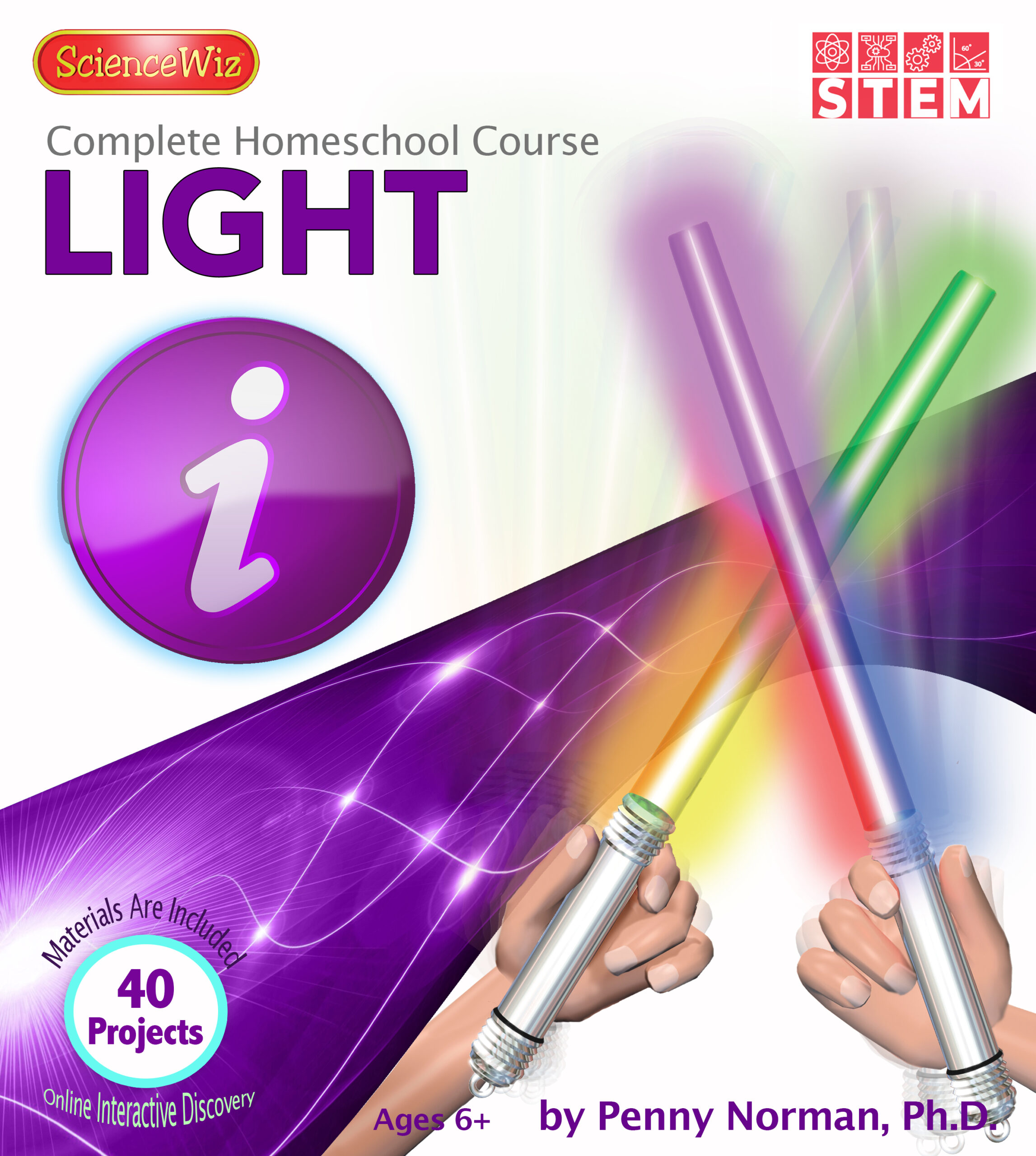
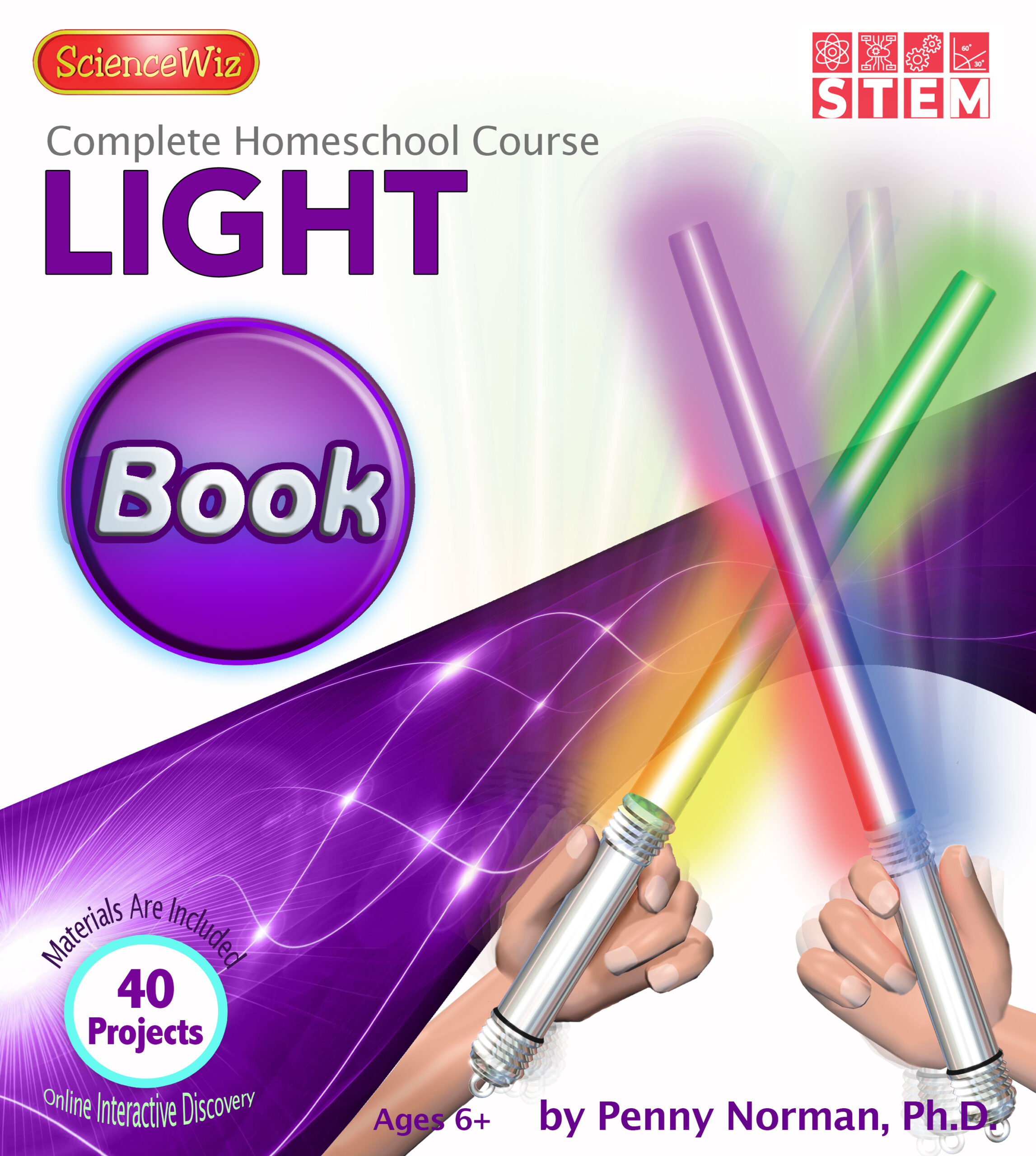
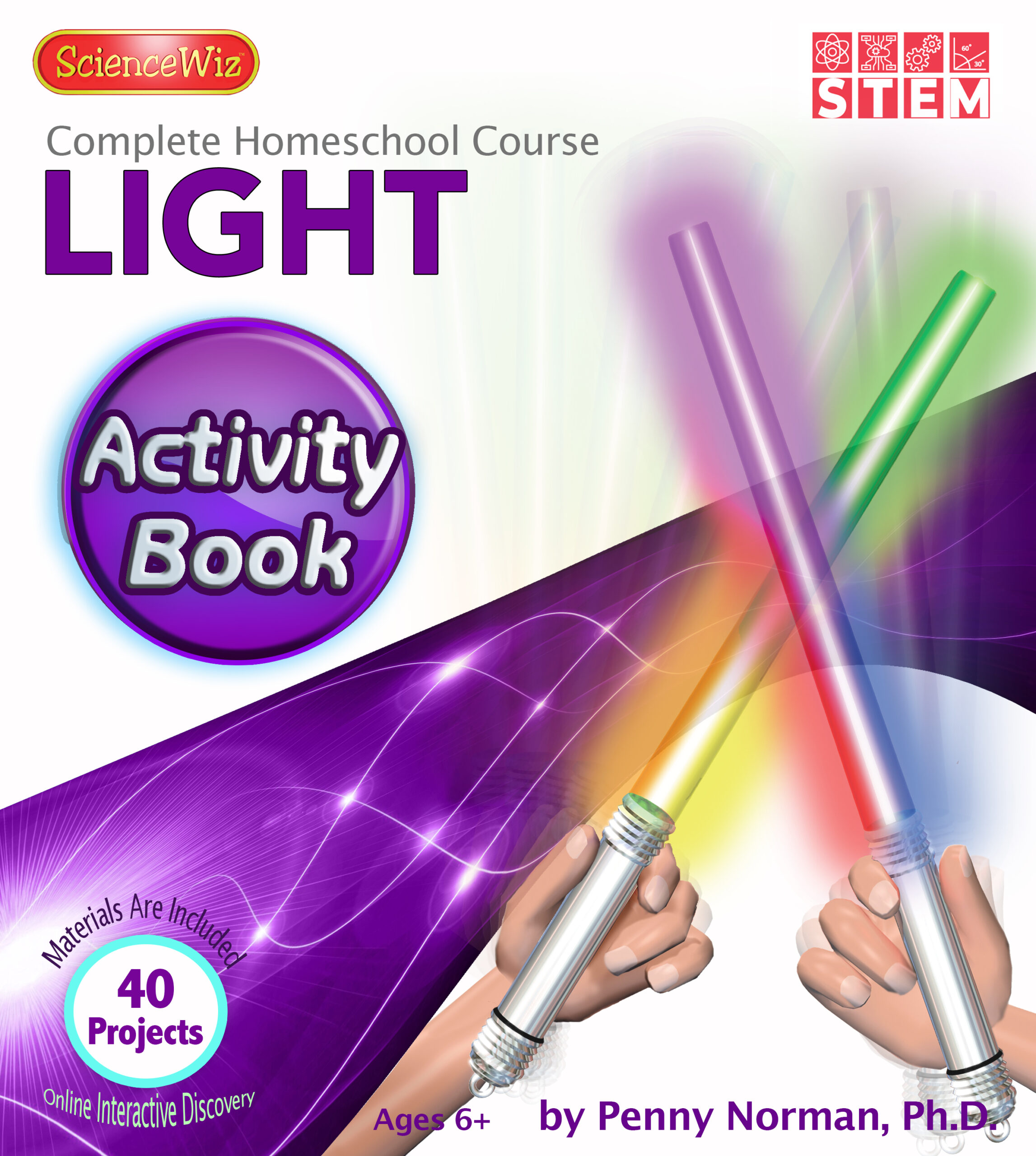
Start the Complete Light Course
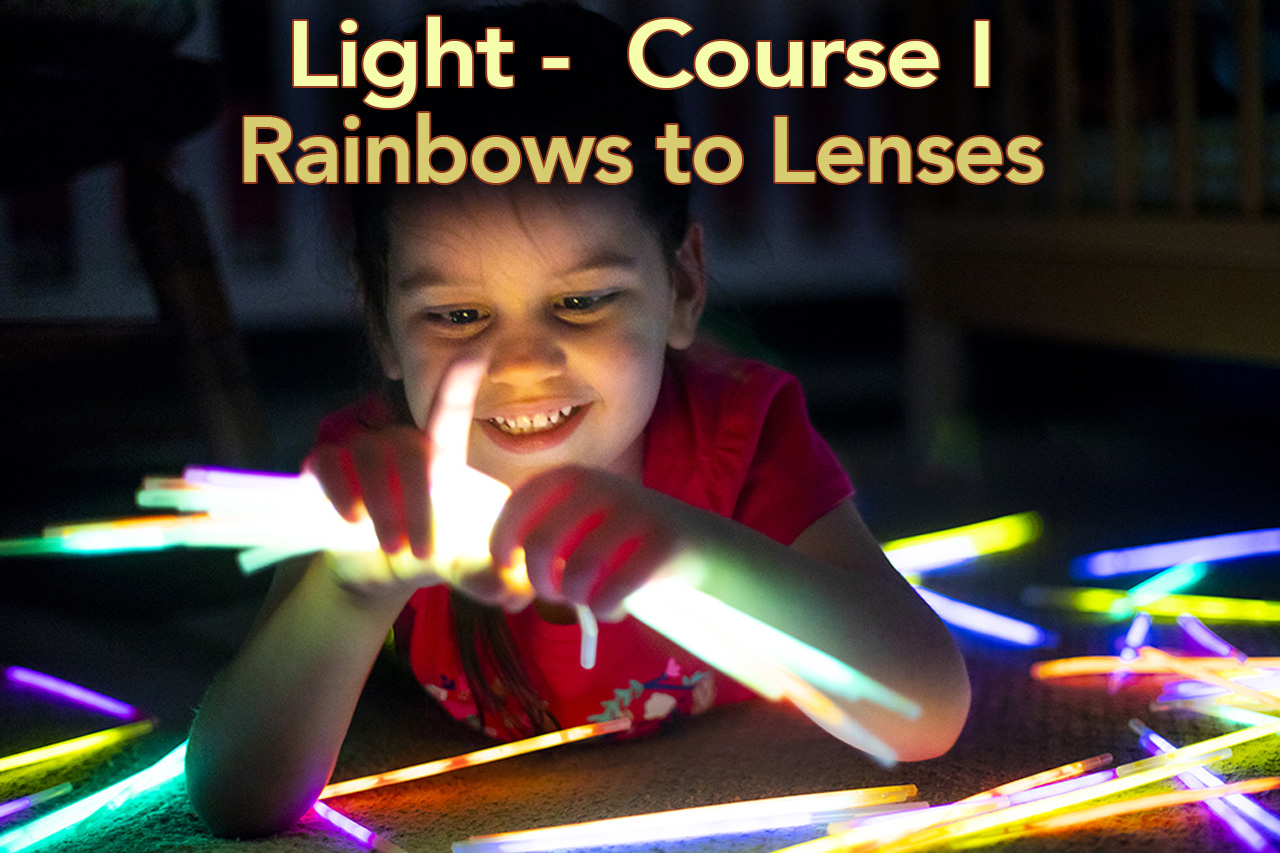
This Course on light is for ages 6 to 12. Explore the wonders of light with this ScienceWiz™ classic. Through 25 hands-on activities, children split light into rainbows, make a kaleidoscope, mold lenses, construct a simple microscope and telescope, capture and manipulate shadows, construct a pinhole camera, experiment with mirrors and filters, and investigate reflection, refraction, color, and the speed limit of the universe.
Companion Course Materials Below

A Complete Hands-On Science Course
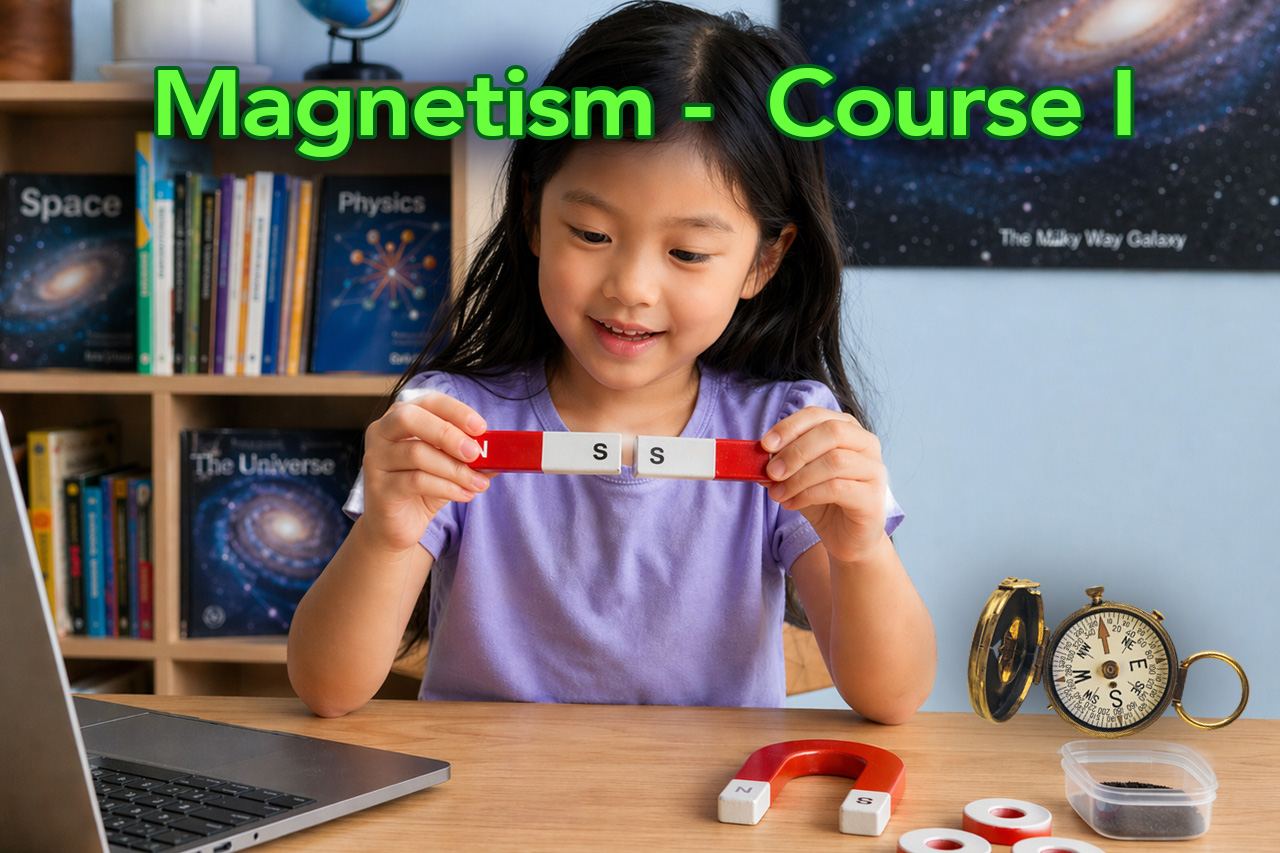
Start the Complete Magnetism Course
Young learners explore magnetism through hands-on play: discovering what sticks to magnets, how poles attract and repel, how magnetism passes through materials, and how to make a temporary magnet. Activities include drawing with iron filings, levitating and bouncing magnetic rings, making a duck swim, detecting iron, going magnetic “fishing,” and experimenting with magnetic poles. More advanced projects include building an electromagnet, reversing its poles, constructing a compass, visualizing lines of magnetic force, and exploring compass directions.
Companion Course Materials Below

A Complete Hands-On Science Course
Start the Complete Physics Course
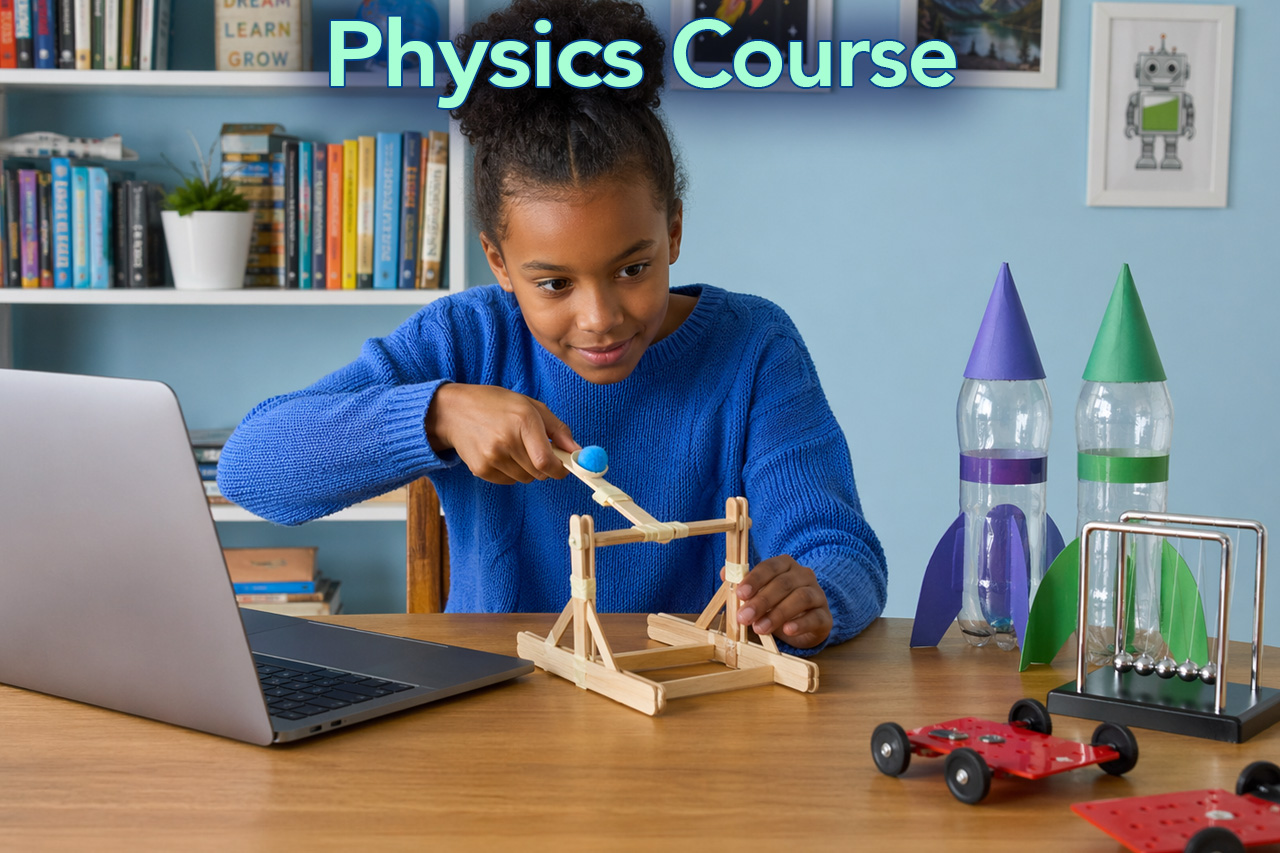
Discover physics through hands-on projects using everyday materials, and visual lessons designed for children and beginners. Short videos, animations and guided interactive simulations explore key concepts further.
Students explore Newton’s laws of motion while building an intuitive understanding of inertia, force, circular motion, mass,
weight, gravity, speed, velocity, and acceleration.
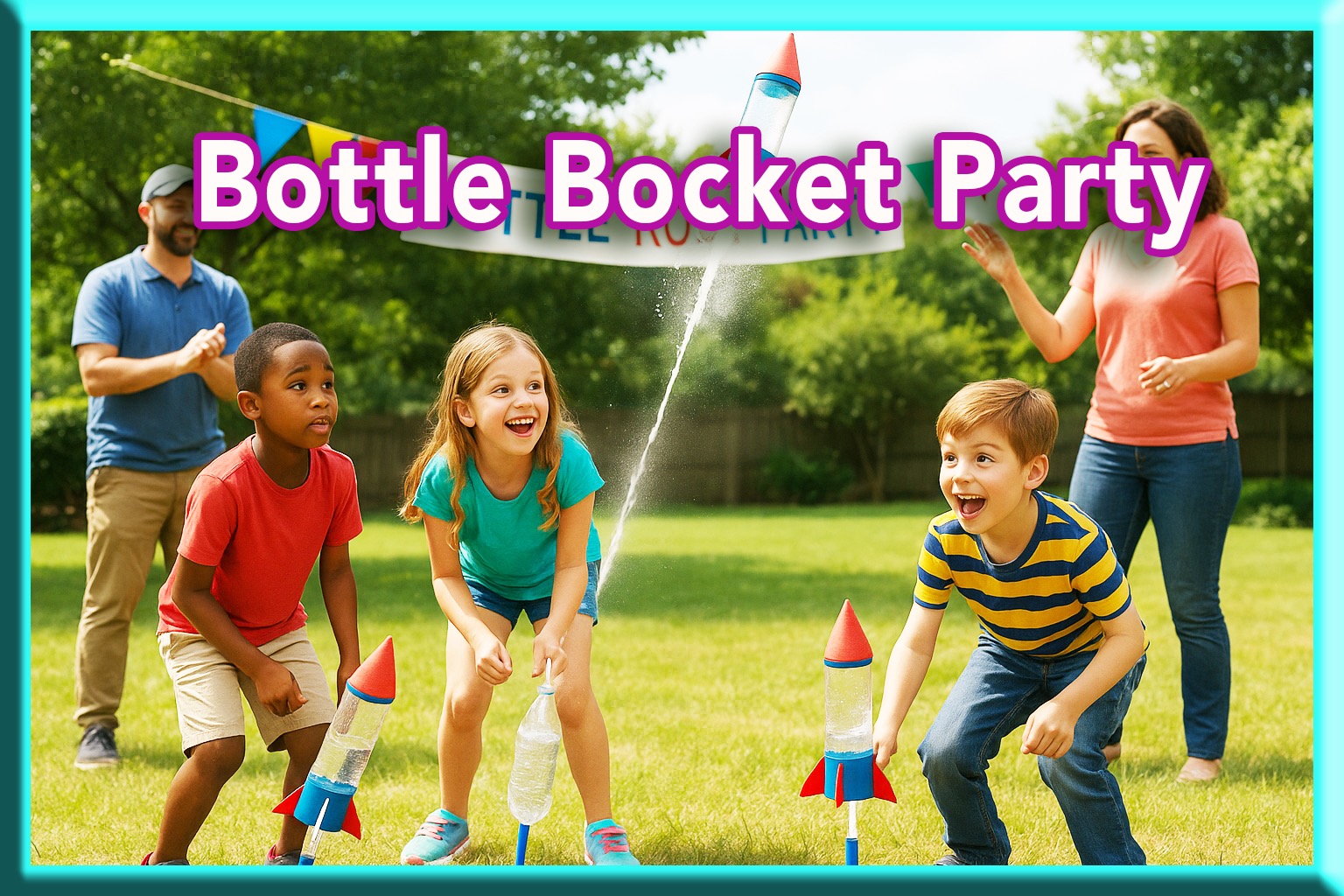
Projects include launching bottle rockets, performing inertia tricks, floating a hover puck, zooming a jet car, building a spring meter, spinning water upside down, assembling and using a balance scale, timing races, measuring mass, and experimenting with acceleration.
Requires common household items. Parents can either purchase, check-out or make a DIY balance scale for measuring mass and a jet car from recyclables that really zooms. A low-cost springmeter is recommended.
Companion Course Materials Below

A Complete Hands-On Science Course
Start the Complete Physics Course
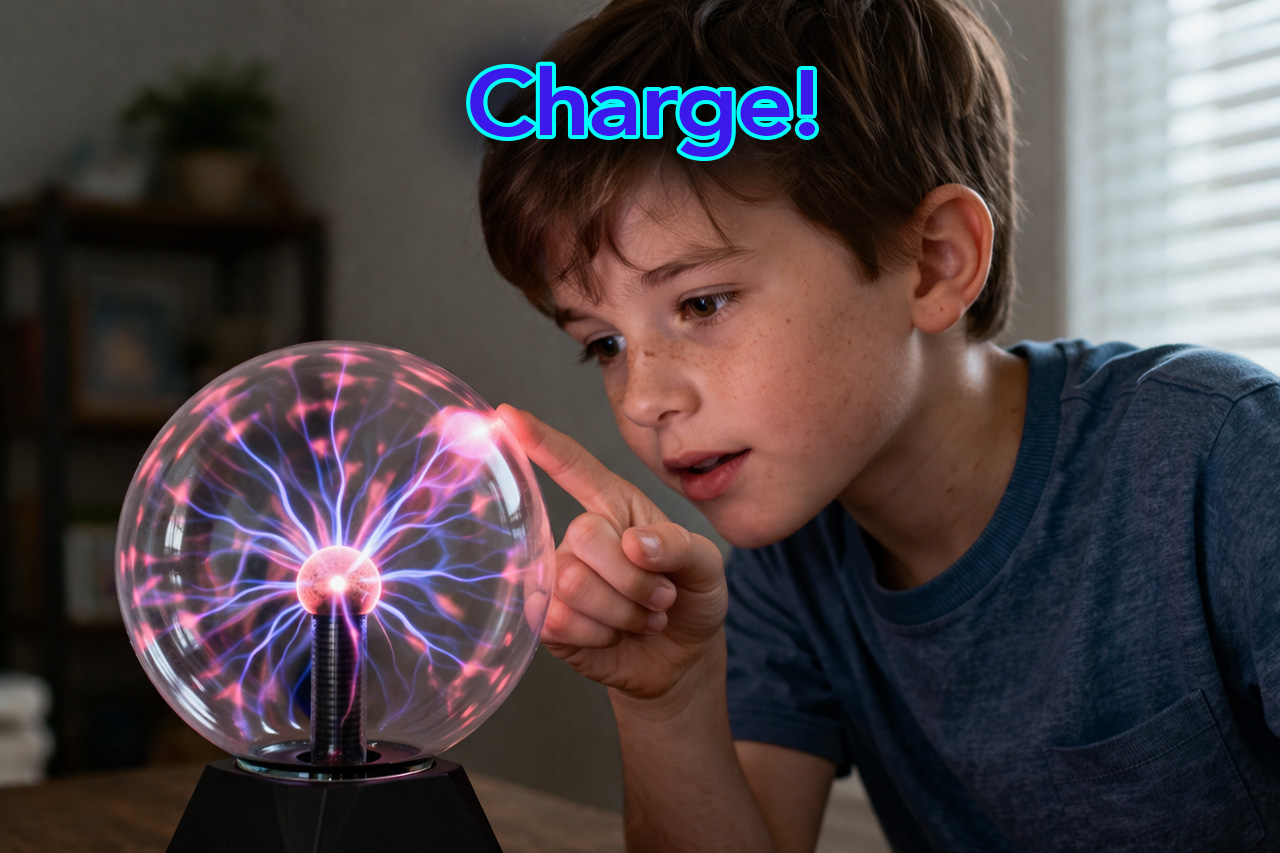
For 8 and up. Discover electric charge through hands-on projects using everyday materials. Short videos, animations, and guided interactive simulations extend the learning and help explain key concepts.
Students build six devices to explore static electricity and electric charge: an electroscope for detecting charge, a Leyden jar for storing charge, an electrostatic motor, an electrophorus for moving charge, a Franklin bell and a hair-raising Van de Graaff generator.
Activities include creating a glitter fountain, generating sparks, spinning an electrostatic motor, and exploring positive and negative charges.
Everthing in this course can be made with everyday materials except the electrostatic generator which can be found at science museums, some libraries and schools or purchased online.
Understanding the properties of charge is a prerequisite to a deeper understanding of physics, chemistry, biology and engineering and how things work. Charge on!
Companion Course Materials Below

A Complete Hands-On Science Course

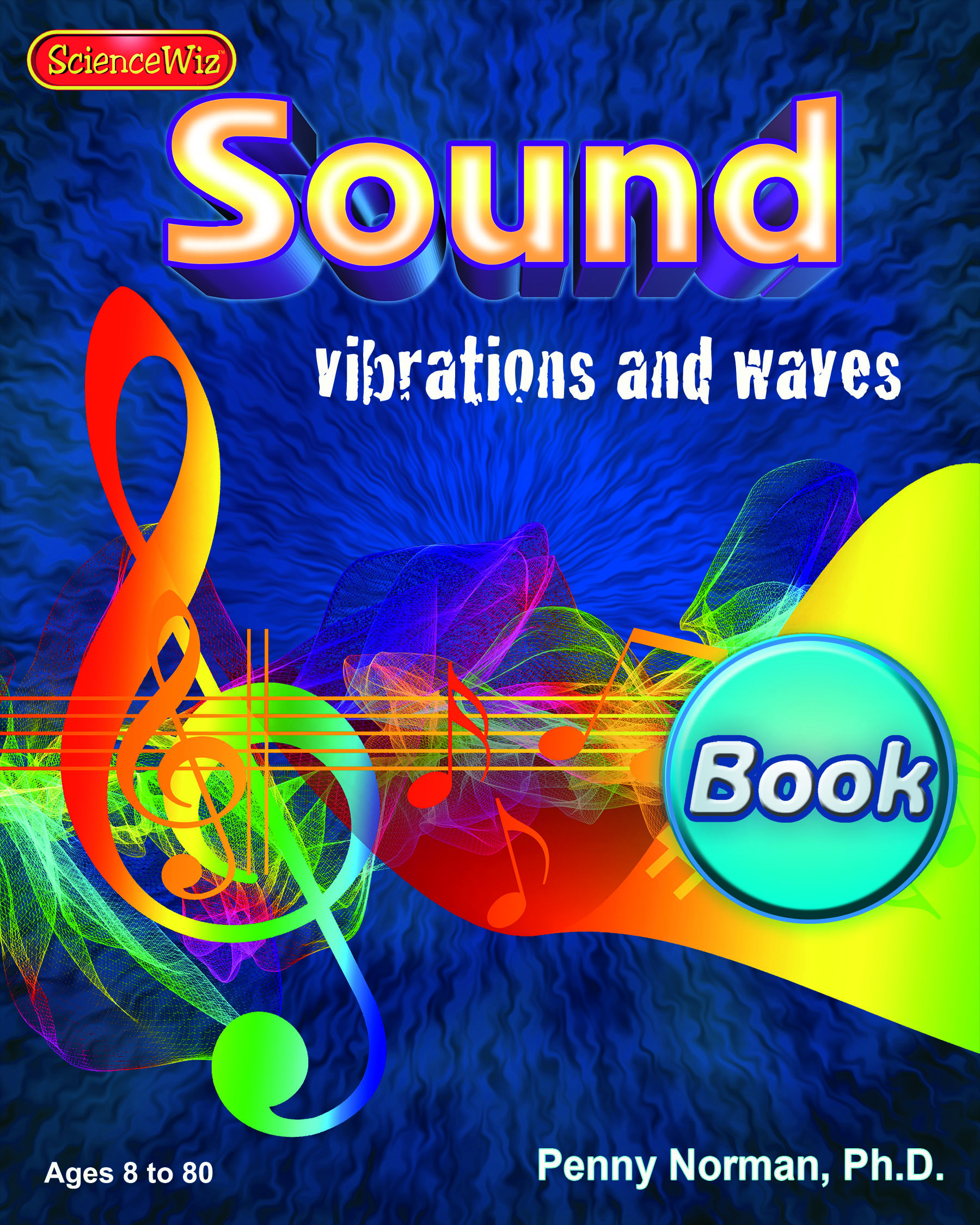
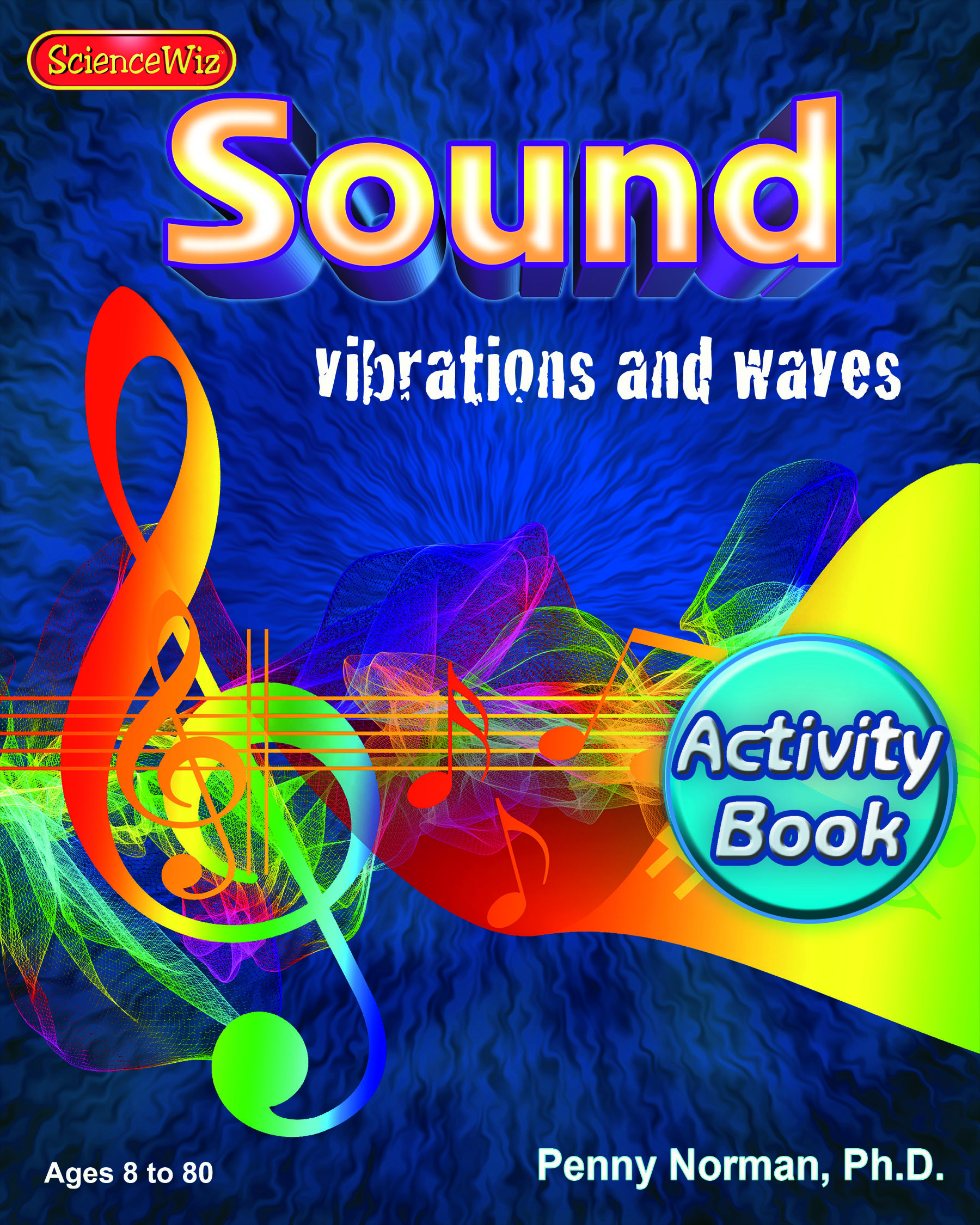
Start the Complete Sound Course
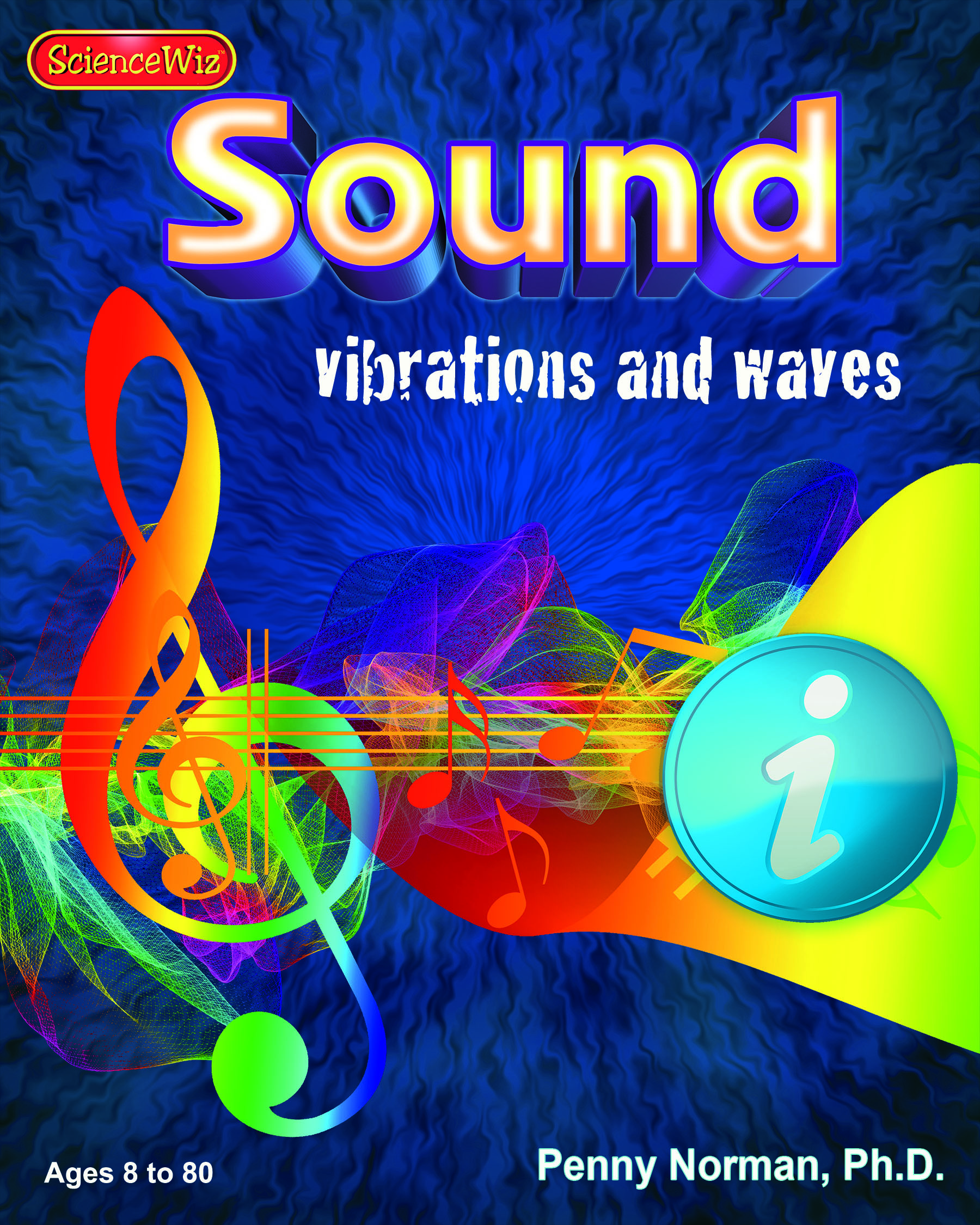
For ages 8 and up. Explore sound vibrations through hands-on projects using everyday materials. Visual lessons, short videos, animations, and guided interactive simulations explain key concepts.
Students build and investigate 20 projects to explore how vibrations create sound, how sound waves travel, how hearing works, and how sound can be measured, transmitted, reflected, absorbed, and amplified.
Activities include measuring sound with a decibel meter, testing hearing with an audiometer, making a kazoo and banjo, playing tunes on water glasses, transmitting sound through solids, liquids, and gases, modeling longitudinal waves with a Slinky, exploring echoes and amplification, listening to a heartbeat, and investigating how animals such as dogs, dolphins, whales, and bats use sound.
Students also experiment with sound location, high-frequency sounds, sound in a vacuum, and the Doppler effect using a spinning sound tube. A slinky toy and a sound tube (for the doppler shift) are required.
Companion Course Materials Below

A Complete Hands-On Science Course
and the conservation of energy.
What is Energy?

to solve the problem.
Explore Climate & Energy
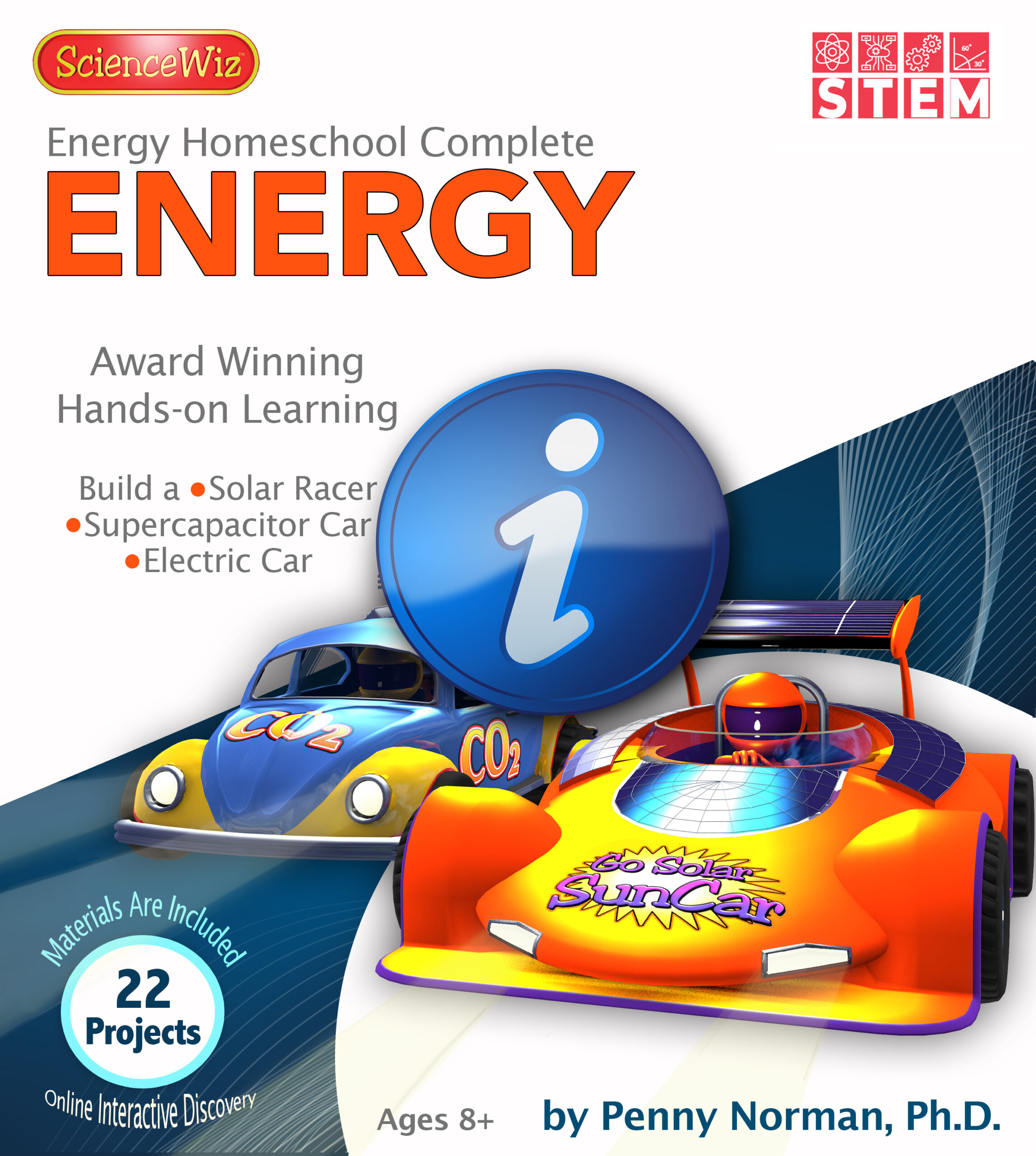

A Complete Hands-On Science Course
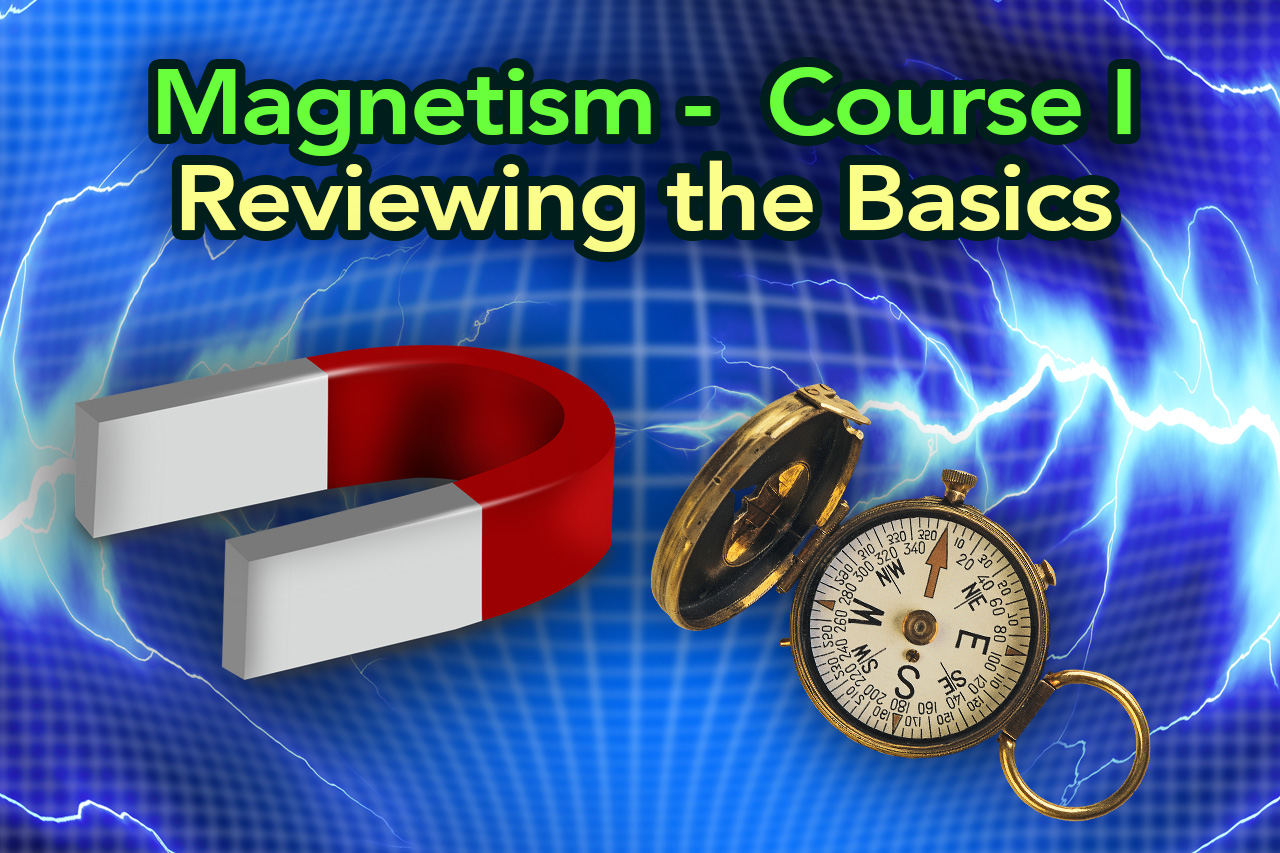
A Complete Hands-On Science Course
Rainbows to Lenses
Microscopes to Invisible Light

A Complete Hands-On Science Course
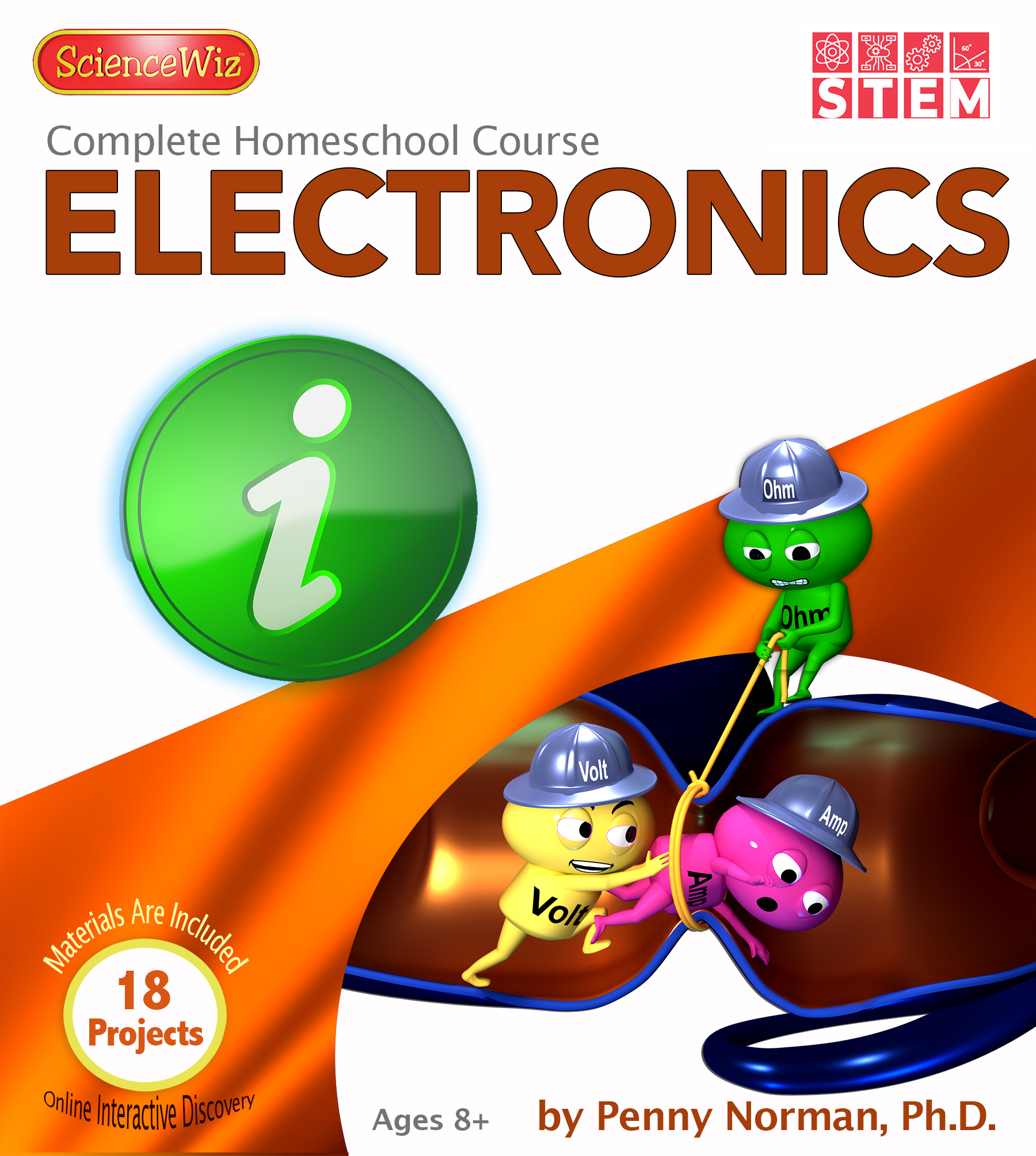
Voltage, Current and Resistance
Explore how each circuit works.
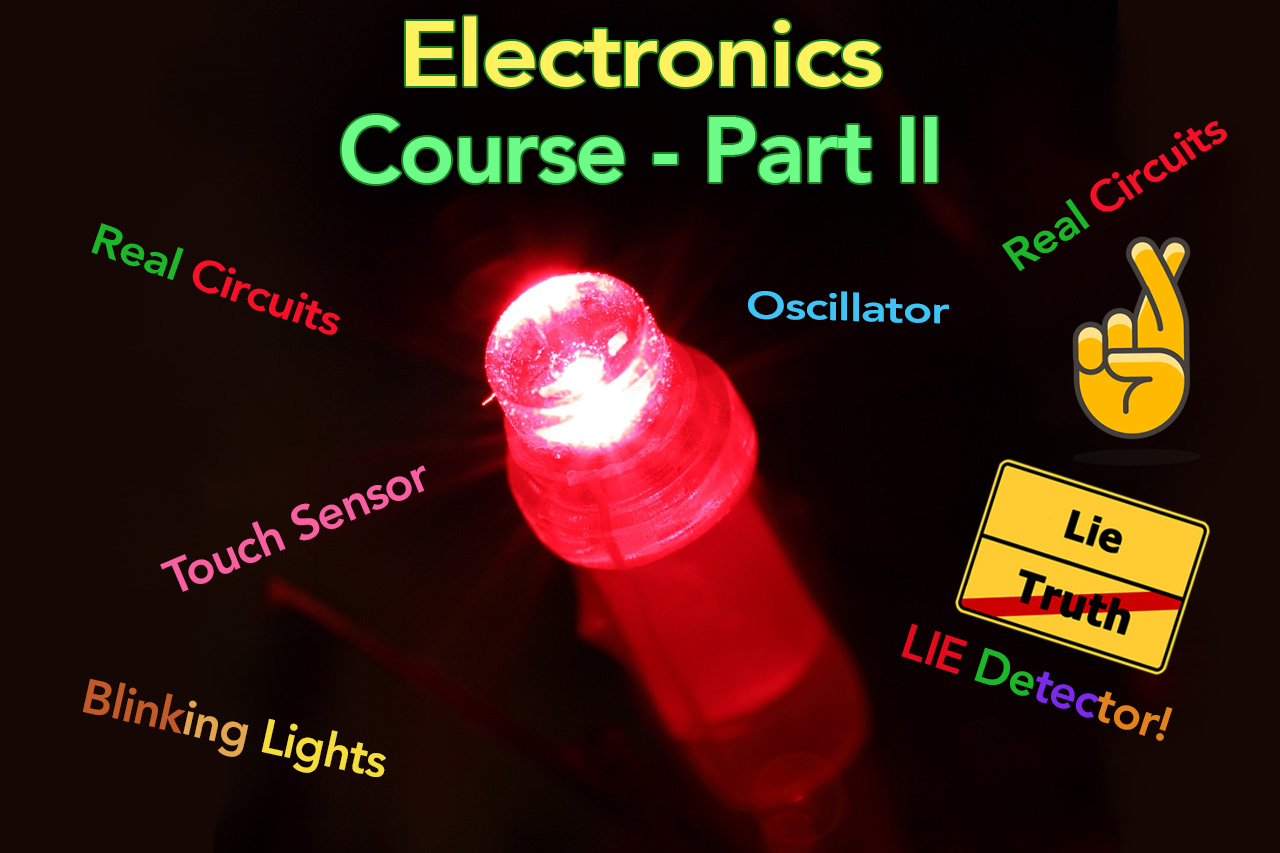
Build Real Circuits — Includes a Lie Detector

A Complete Hands-On Science Course
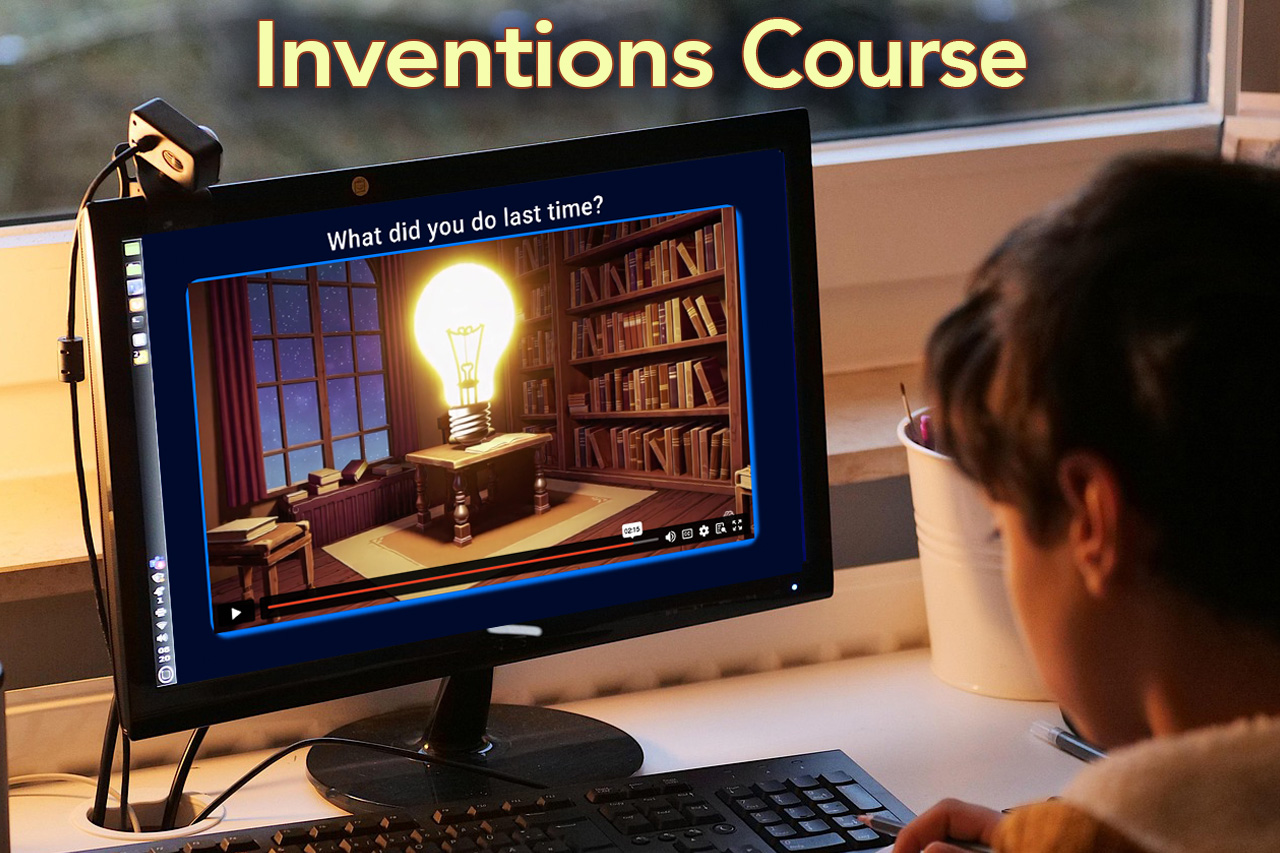
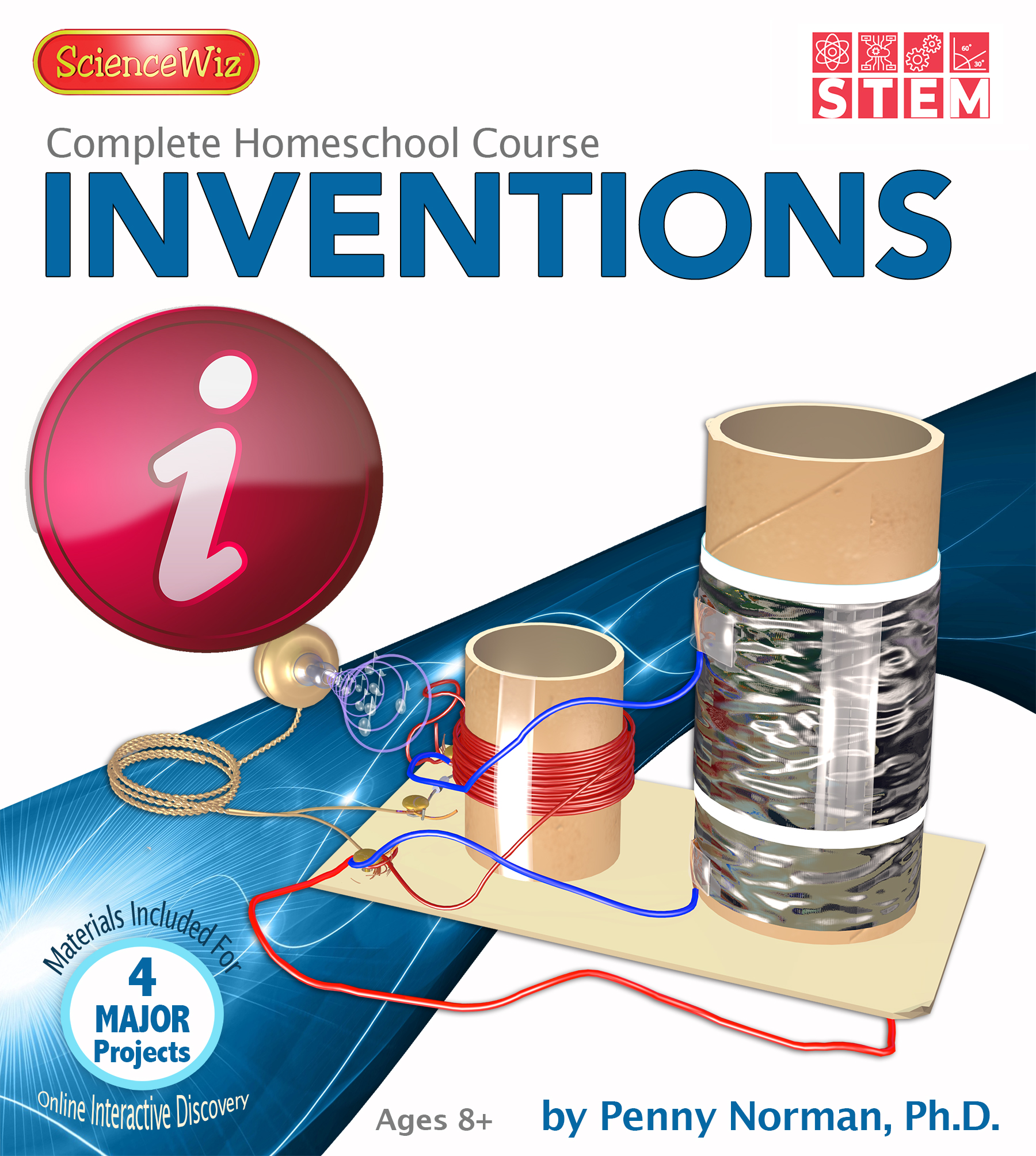
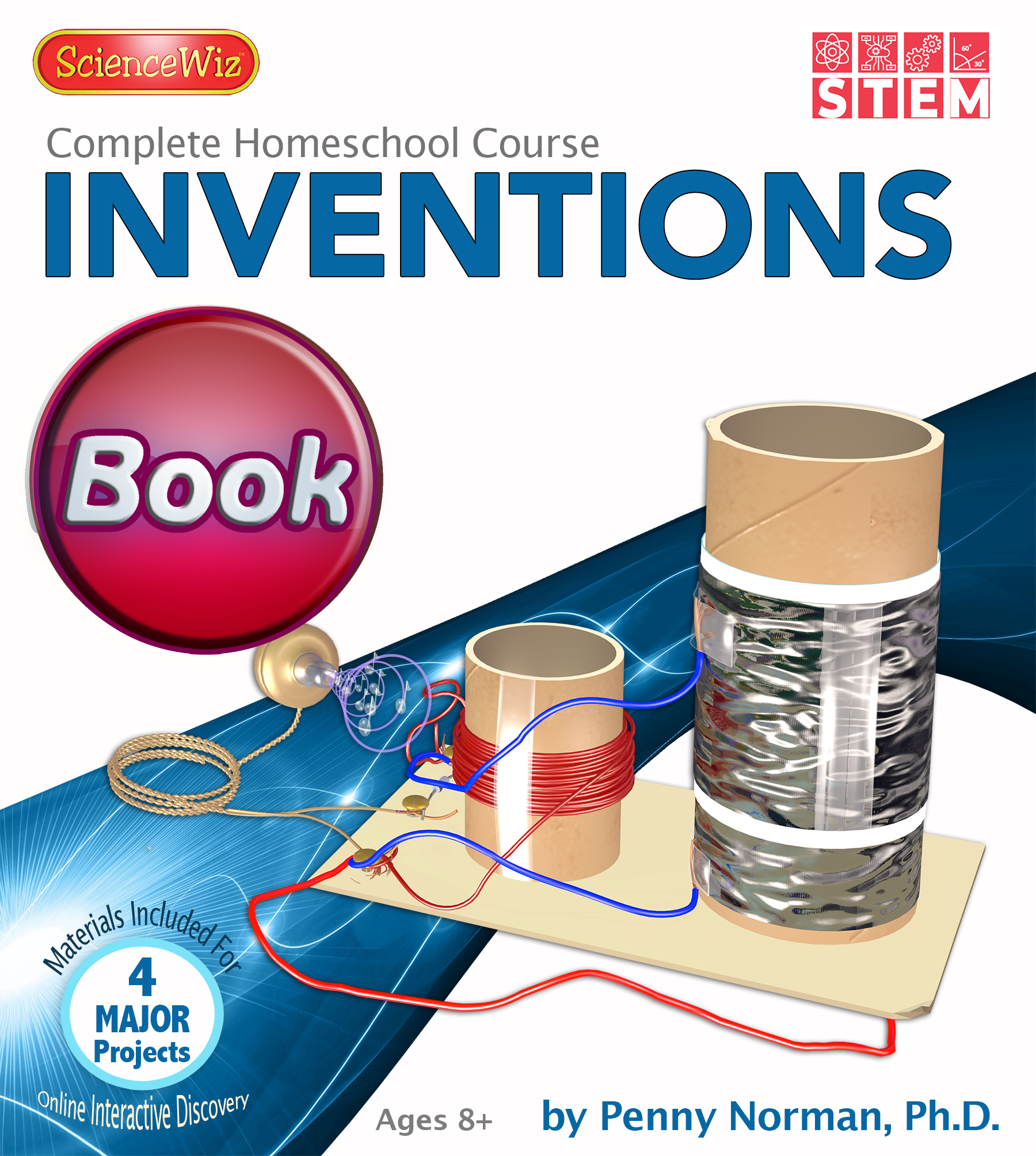
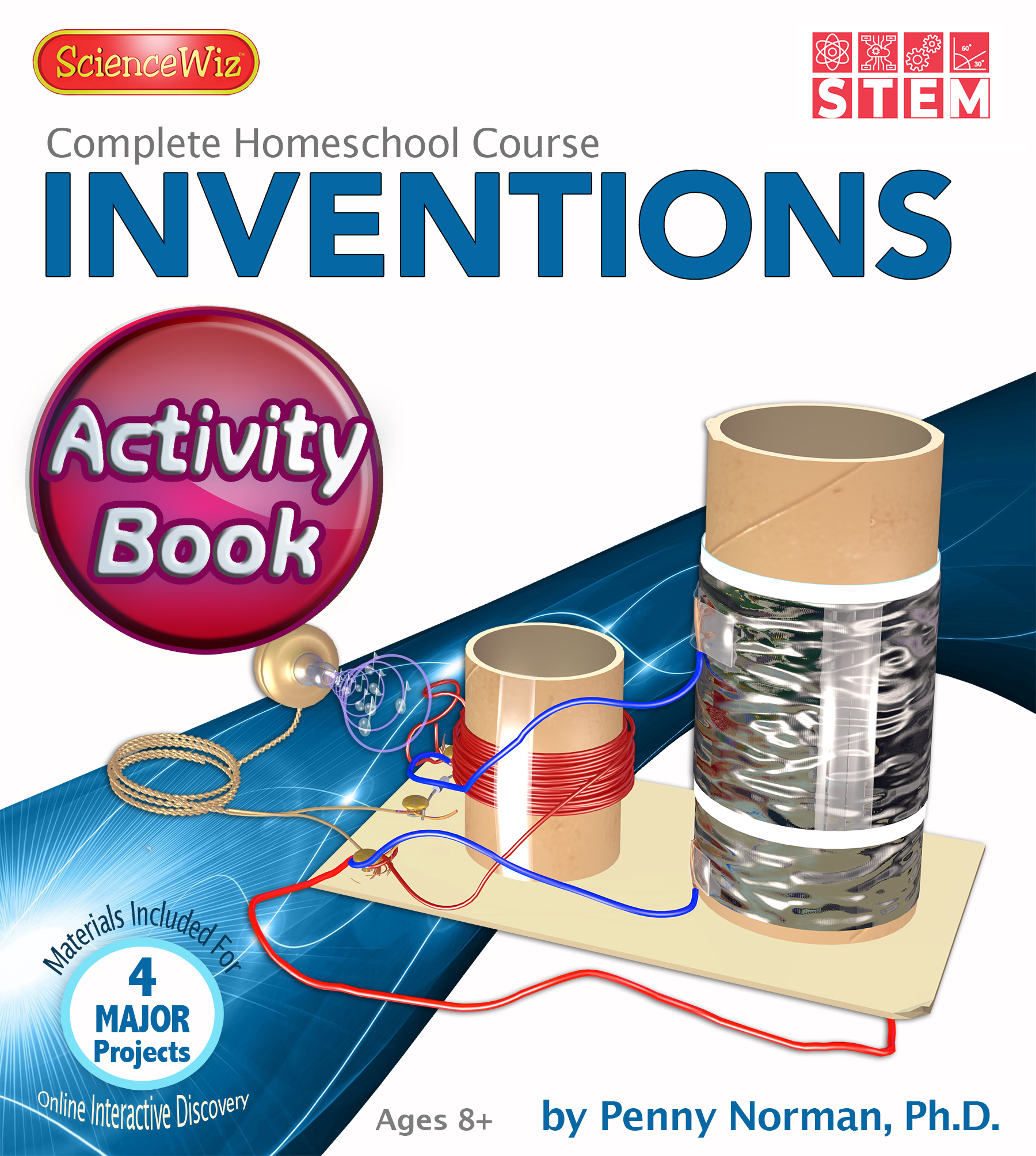
Start the Complete Inventions Course
Inventions with coils! Build four working inventions: a spinning motor,
a clicking telegraph, a light-flashing generator, and a real radio.
Highly visual, step-by-step instructions help children succeed while
full-color illustrations explain the science behind each project.
Everyday materials make electronic components easier to understand, and website animations extend the learning.
Designed for ages 8 and up, Inventions has been used in science mentoring programs including at MIT, UC Berkeley, Fermilab,
and the University of Texas at Austin. Both the Women’s Society
of the IEEE and Wired Magazine praised the projects
because they “actually work,” even with large groups.
Requires one D-cell battery.
Companion Course Materials Below

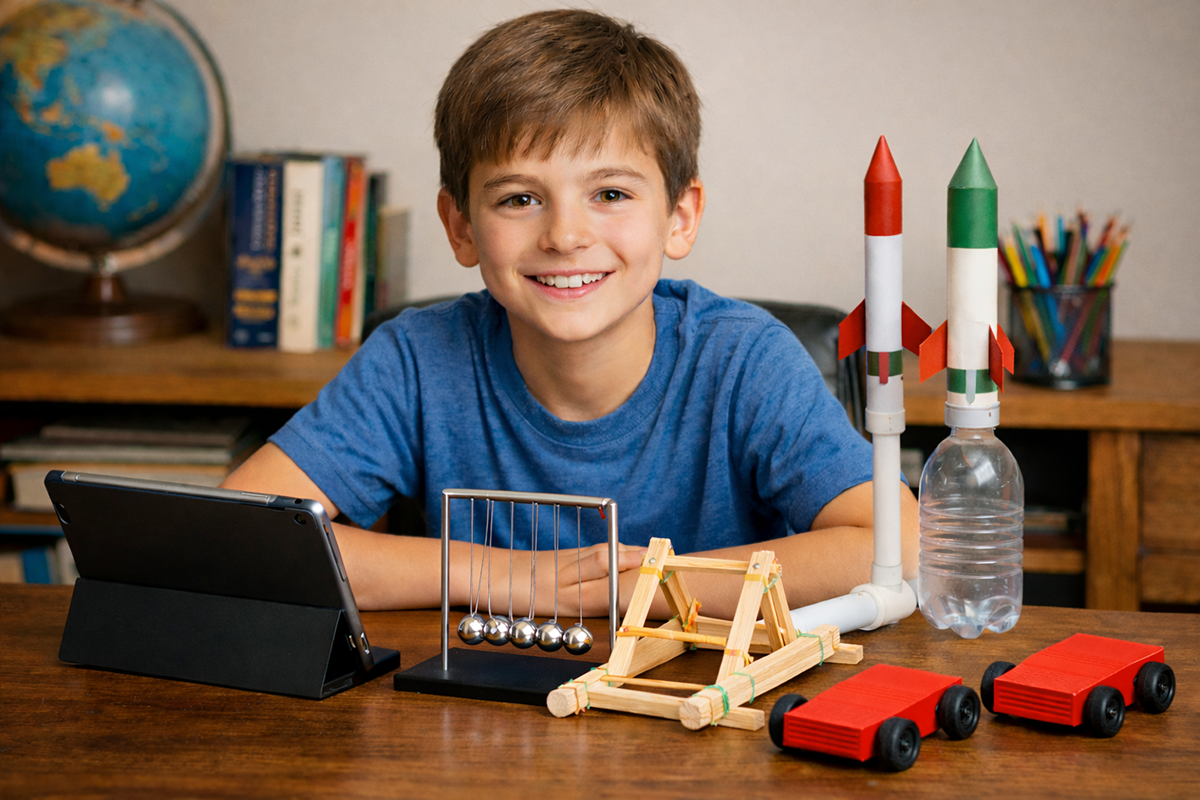
Explore collisions and trajectories through lively hands-on experiments. Play with a Newton’s cradle, build and aim a catapult, launch homemade stomp rockets, collide collision carts, ram barriers with marbles, and paint with pendulums.
Investigate momentum, elastic and inelastic collisions, kinetic and potential energy, circular motion, and pendulums. Online simulations and short videos extend the learning.
Most projects use recyclables and low-cost materials. A Newton’s cradle is recommended. They are extremely pleasing to manipulate.
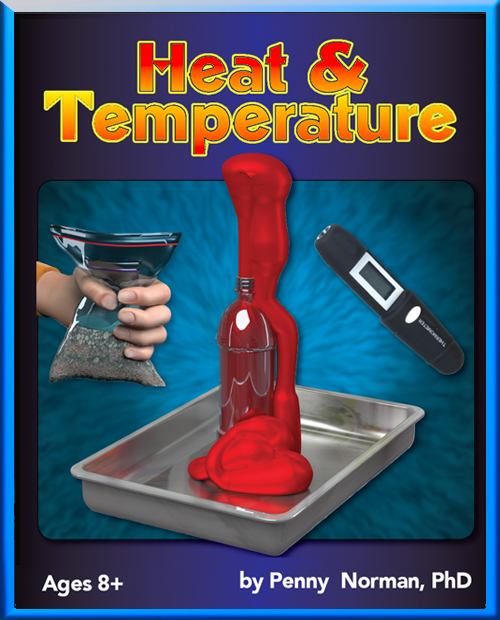
Thermodynamics, here we come! Explore heat, temperature, and the hidden universe through hands-on experiments. Use an infrared thermometer, measure freezing and boiling points, capture a thermal thumbprint, and observe an oozing exothermic reaction.
Make a heat pack, investigate expansion and contraction, and explore radiation, convection, and conduction. Learn about absolute zero and repeat Herschel’s landmark experiment that led to the discovery of invisible infrared light.
Connect thermometers, invisible light, black-body radiation, and the surprising path from heat to quantum mechanics. Heat transfer is a hot topic, indeed.

The Alphabet of the Universe
Explore the periodic table with hands-on experiments that make the elements elementary. Split water into rocket fuel, pop hydrogen, hunt for “naked” protons, flame-test salts, and grow huge crystals.
Learn about atoms, protons, neutrons, and electrons. Act out the roles of charged particles, model 3D electron orbitals, and discover the periodicity of the periodic table.
This beautifully illustrated ebook takes young learners through the Alphabet of the Universe and makes chemistry visual, memorable, and exciting.
The containers can be improvised from jars and cans. You will also need a handful of jumbo-sized metal paperclips and common household items. Almost all of the "chemicals" are either in your kitchen or at the grocery store.

Rocks and Geology

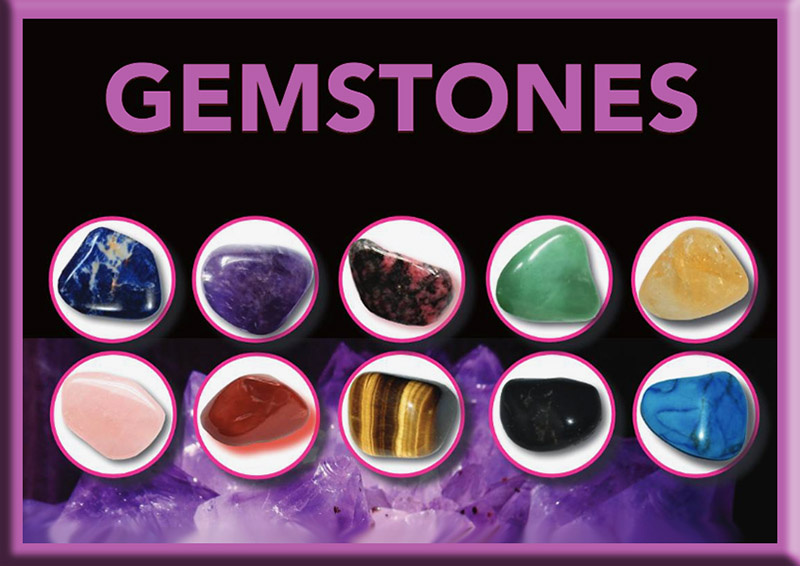
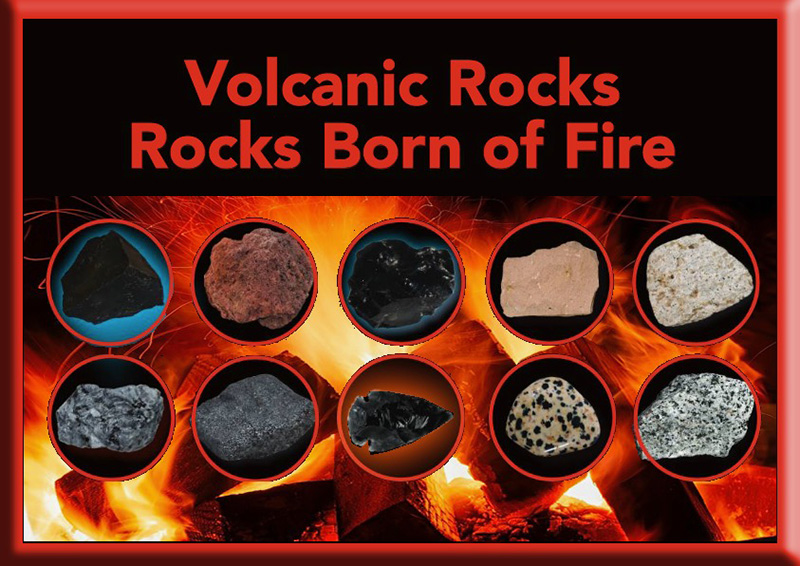
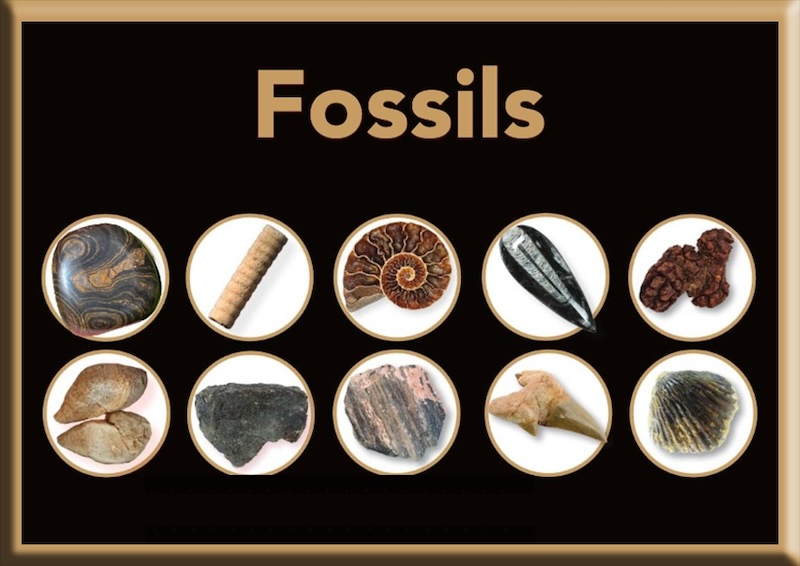
Gemstones
Can you name each gemstone below?
ANSWER: Hover over the circled image for the answer.
SELECT: Tap or click to discover more about each gemstone.
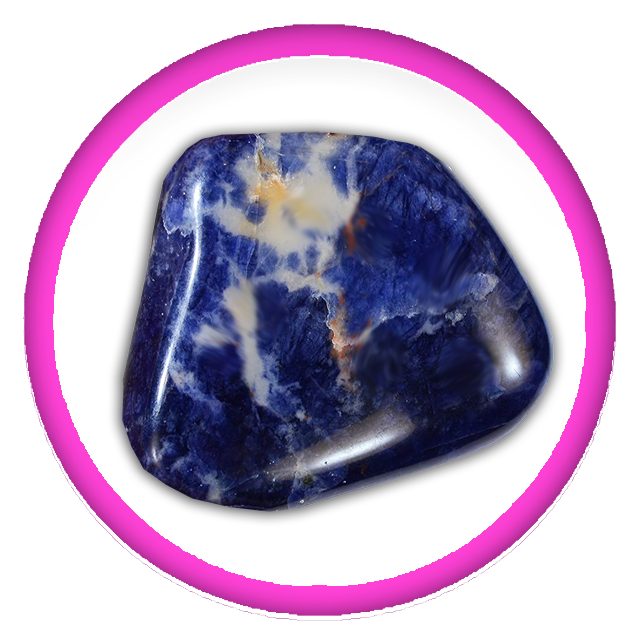
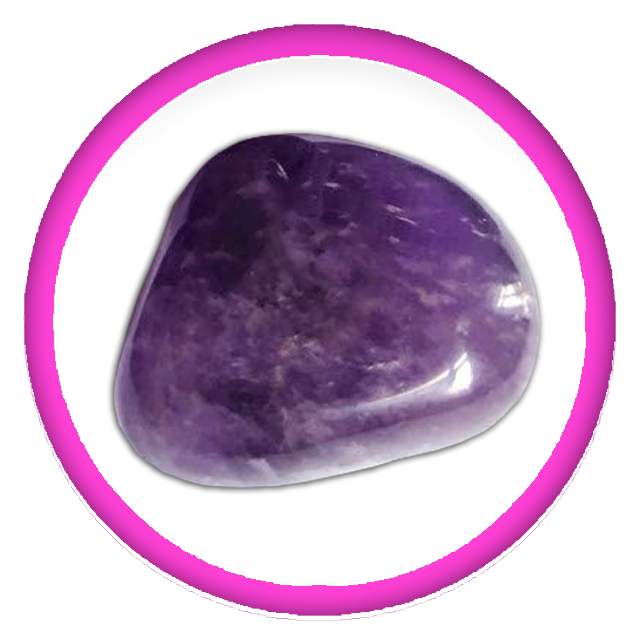
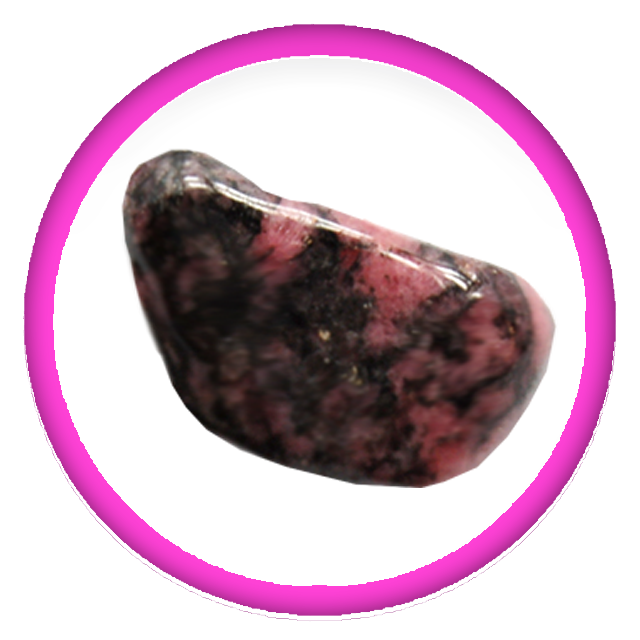
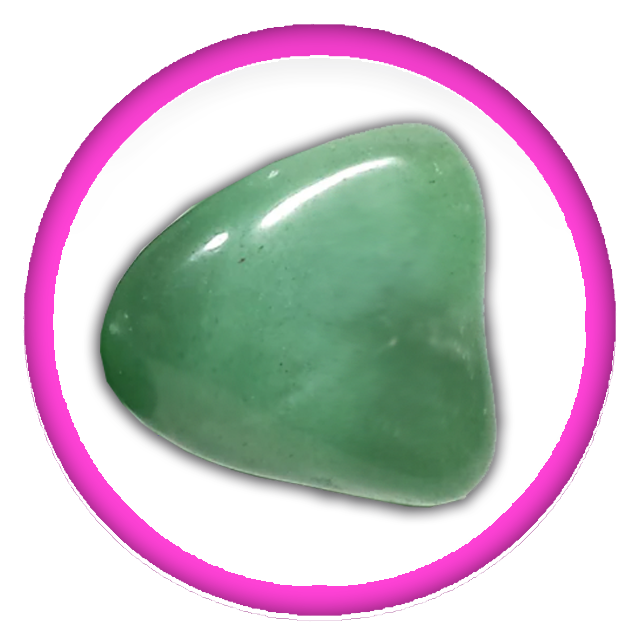
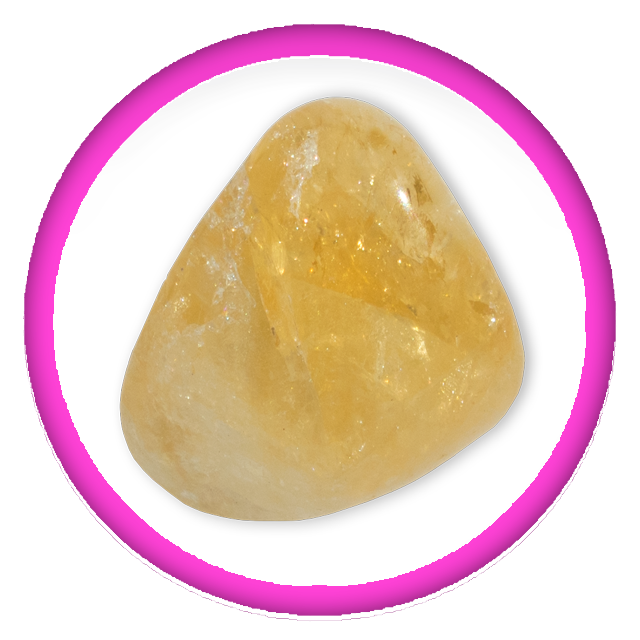
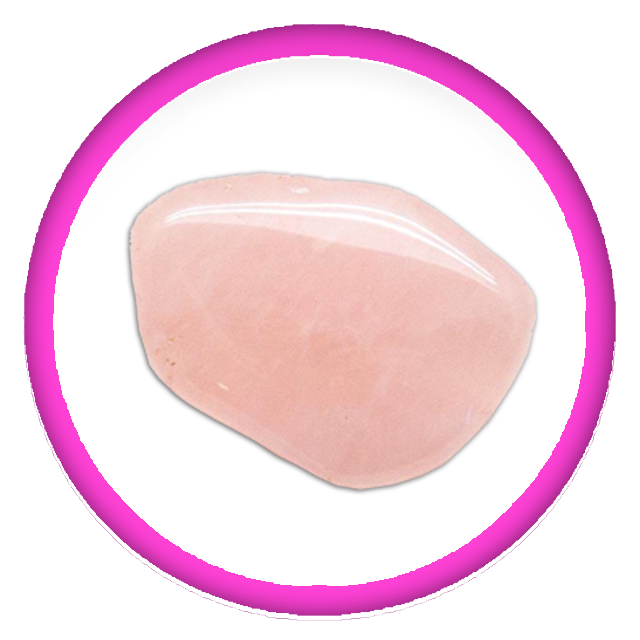
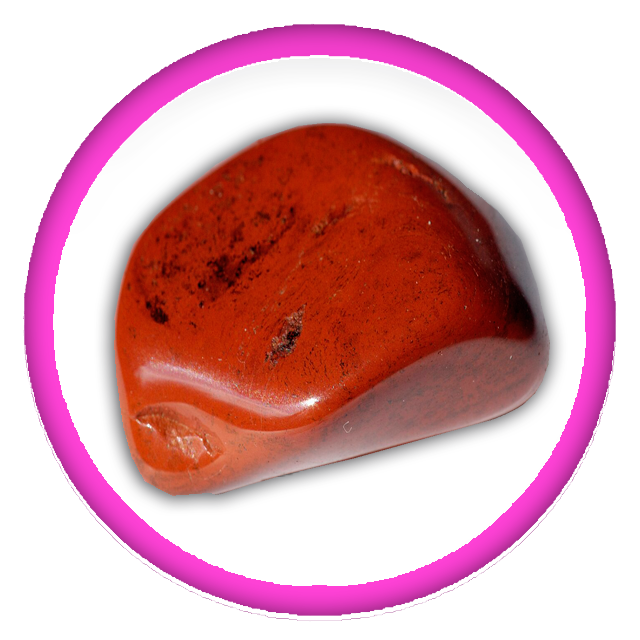
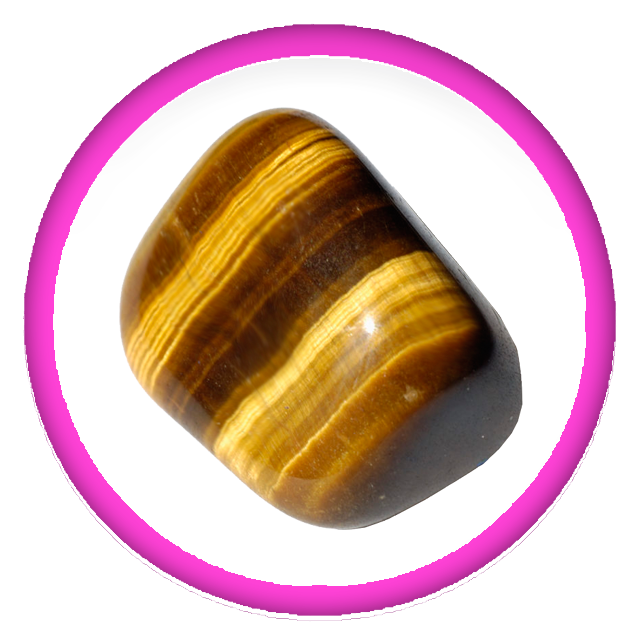
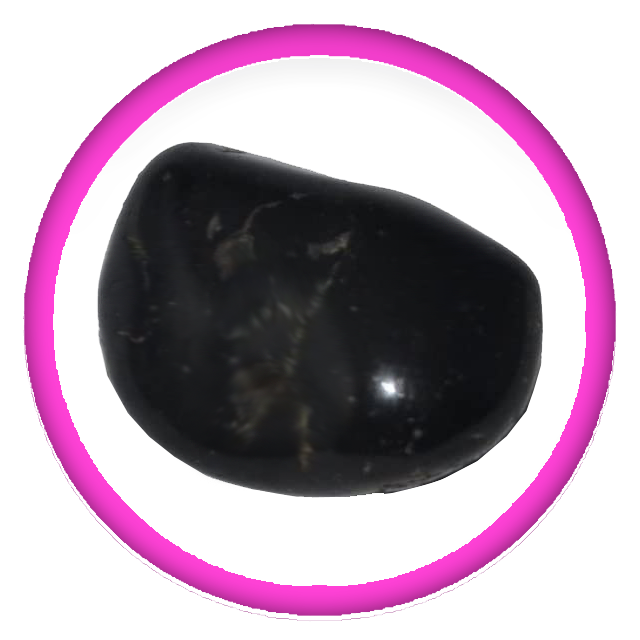
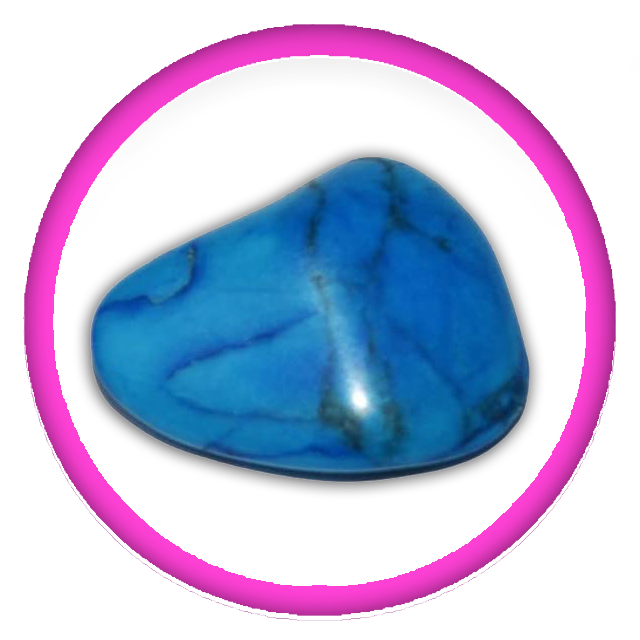
Match Pairs, Crossword Puzzle and Riddles About Gemstones

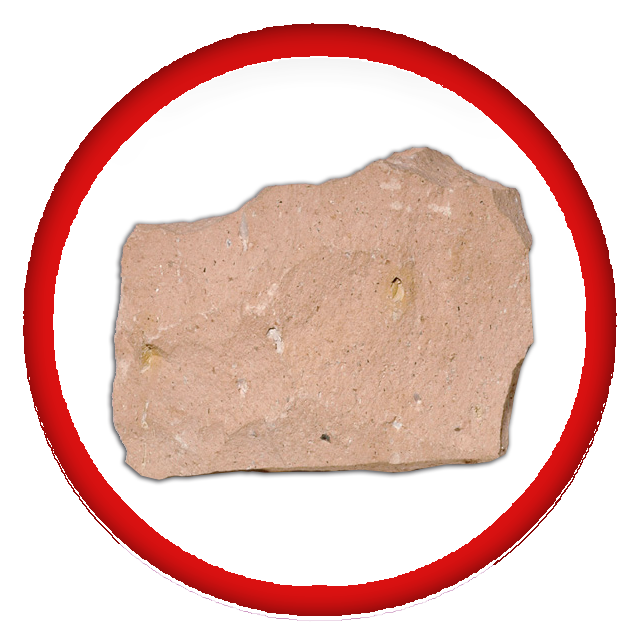
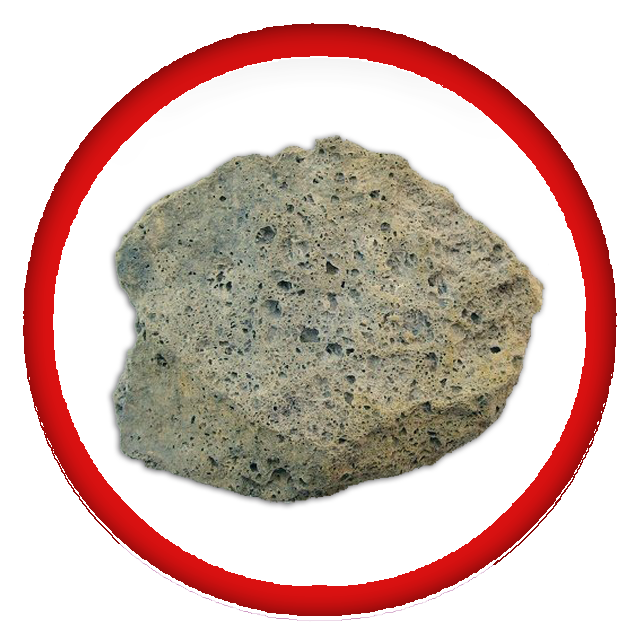
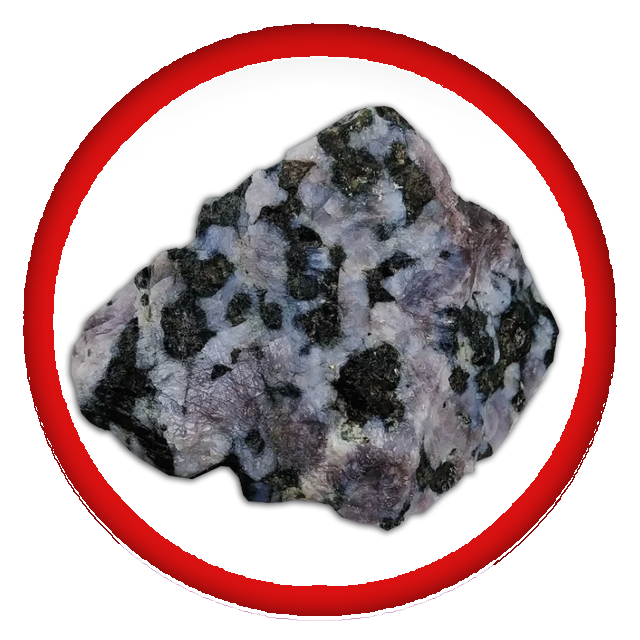
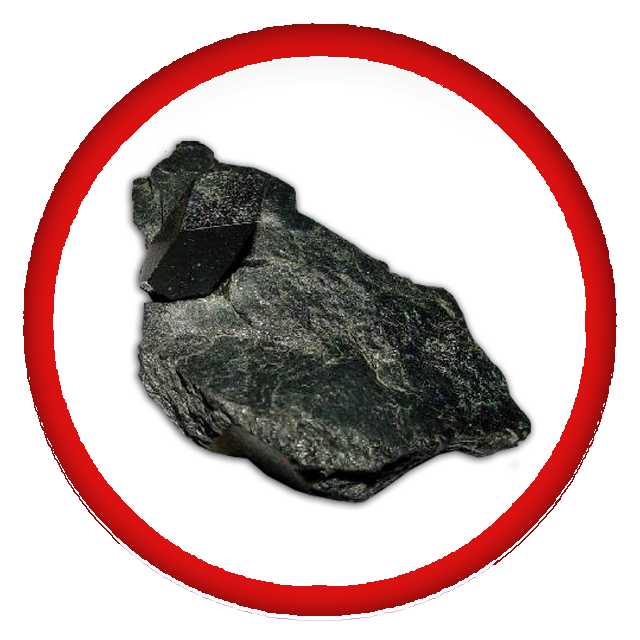
Volcanic Rocks
Rocks Born of Fire
Can you name each volcanic (igneous) rock below?
ANSWER: Hover over the circled image for the answer.
SELECT: Tap or click to discover more about each gemstone.
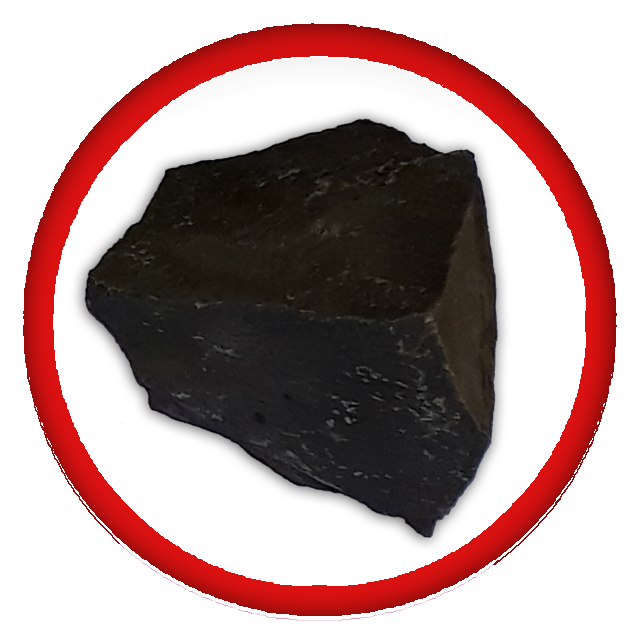
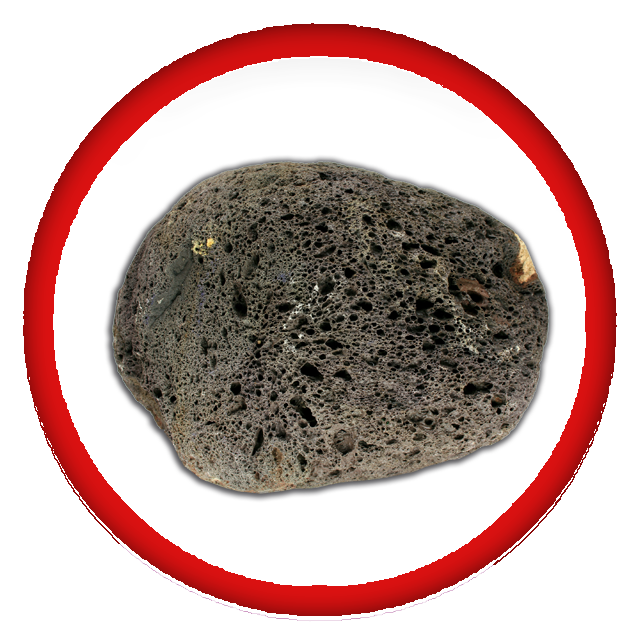
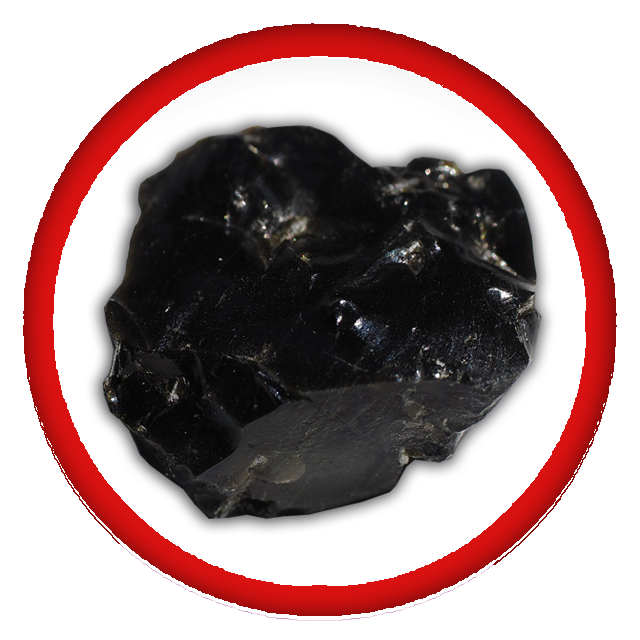
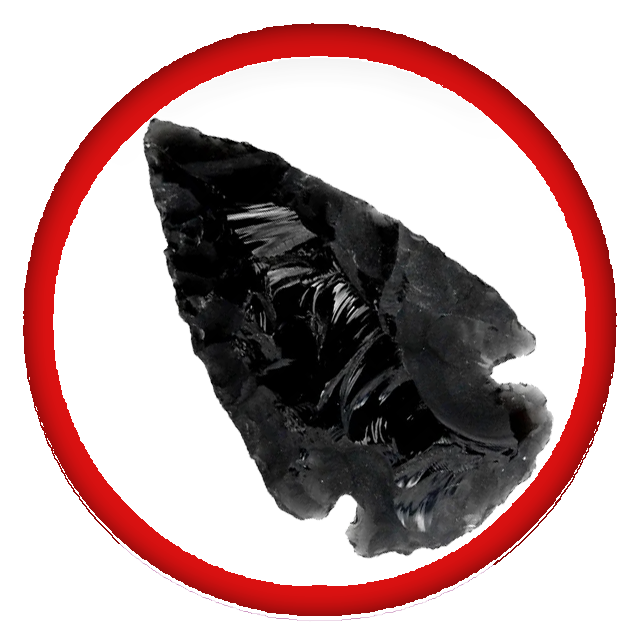
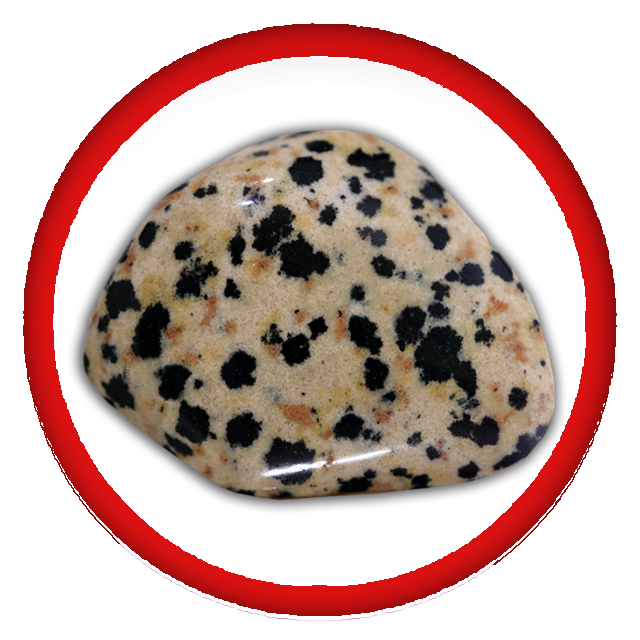
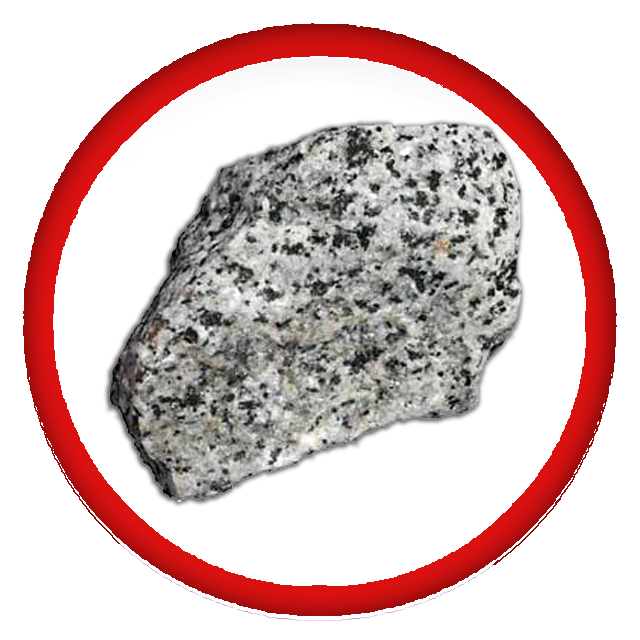
Match Pairs, Crossword Puzzle and Riddles About Gemstones
Fossils
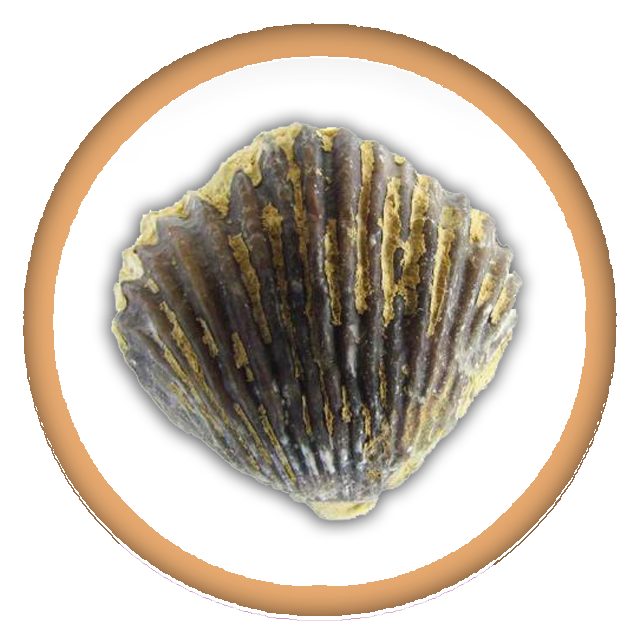
Can you name each fossil below?
ANSWER: Hover over the circled image for the answer.
SELECT: Click or tap to discover more about each fossil.
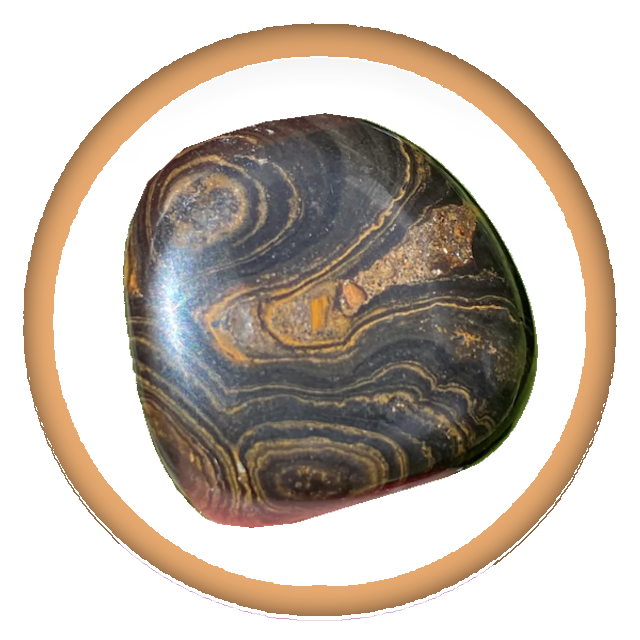
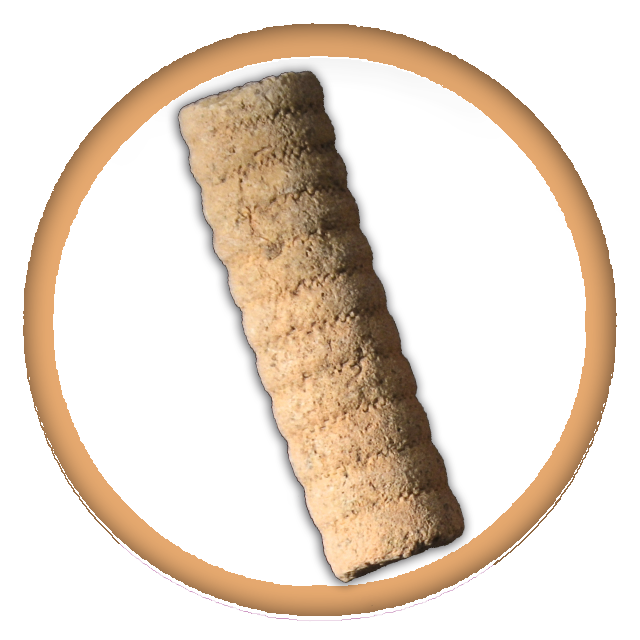
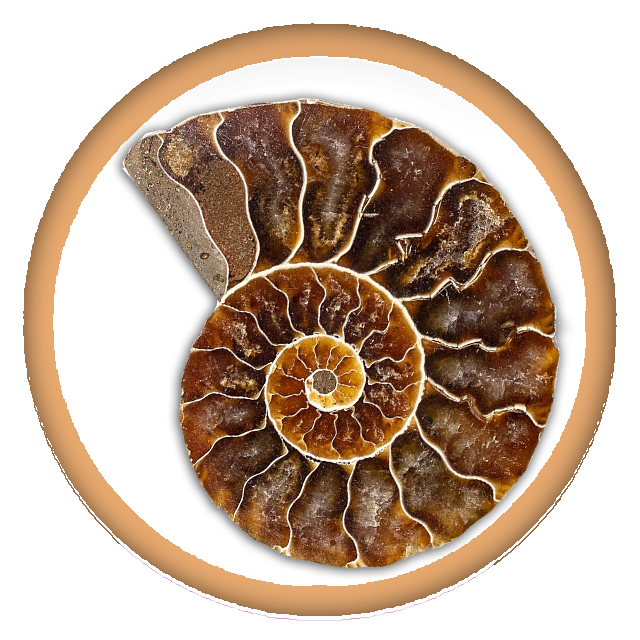
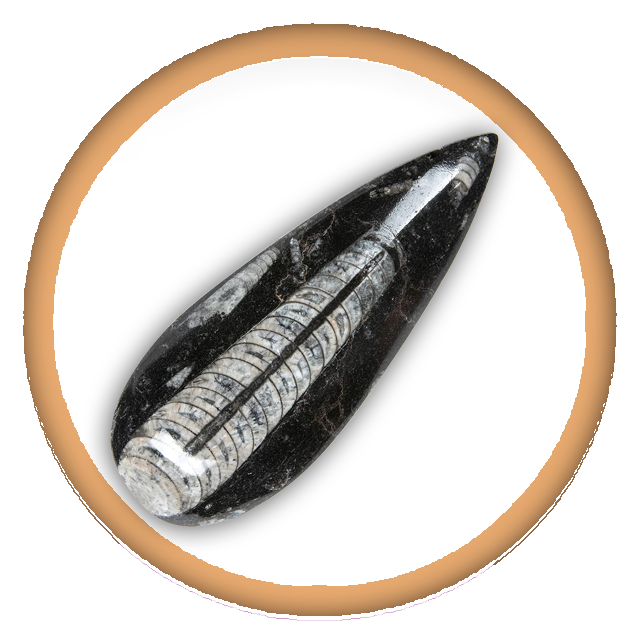
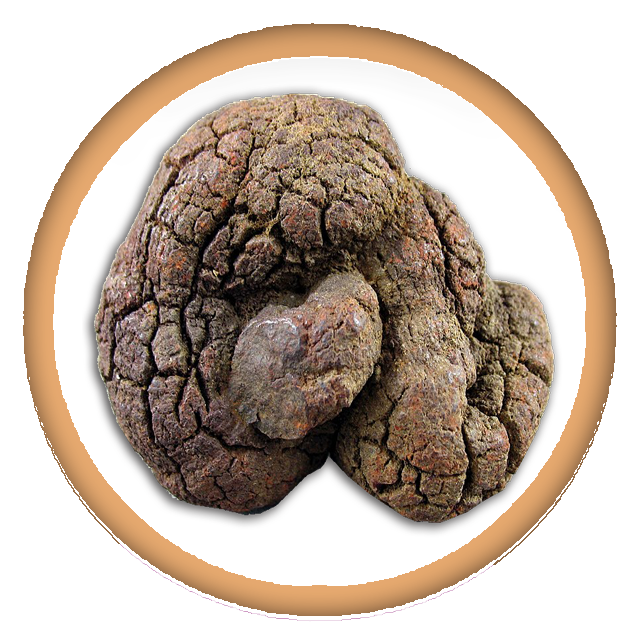
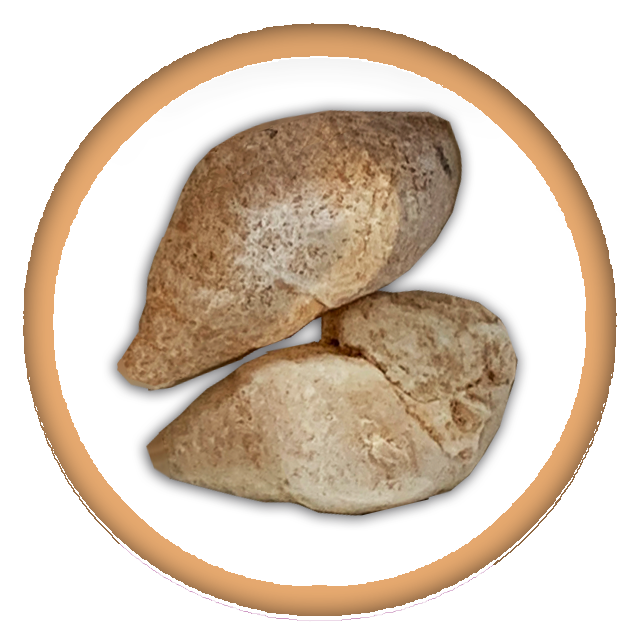
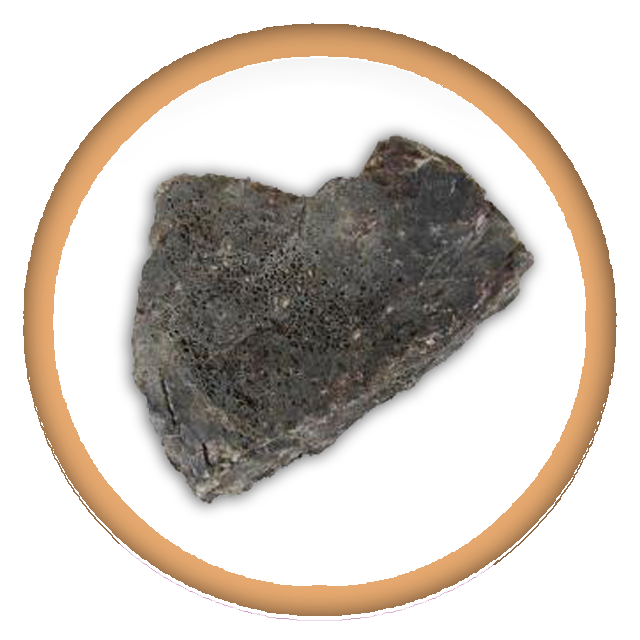
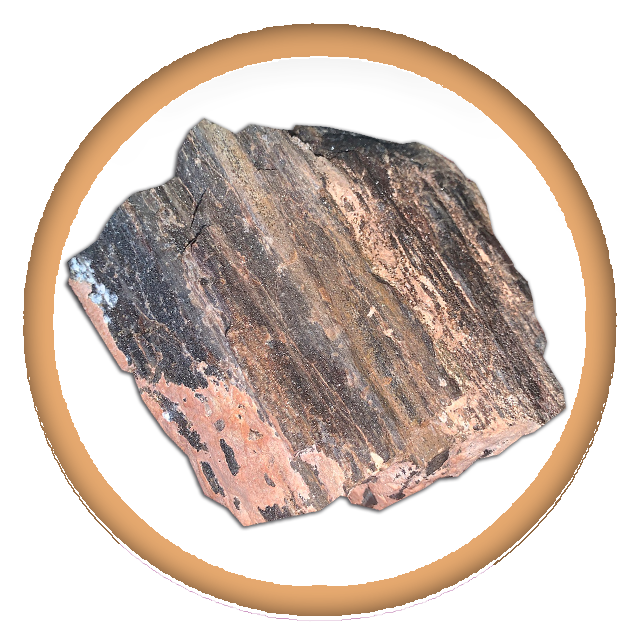
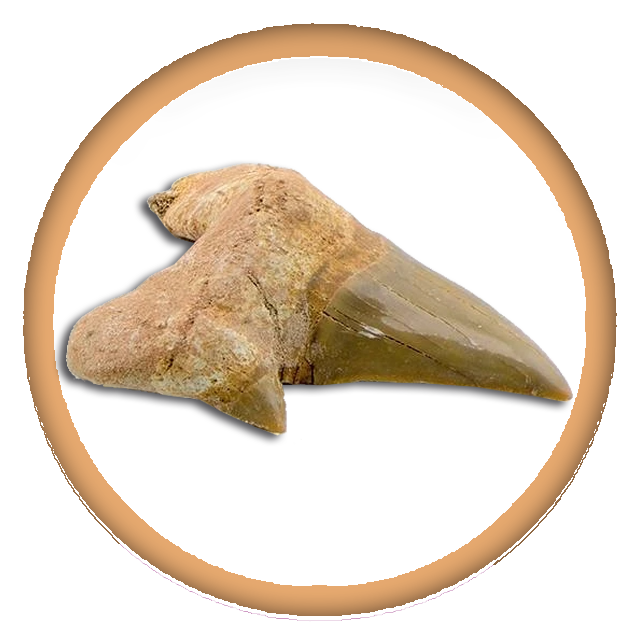
Match Pairs, Crossword Puzzle and Riddles About Gemstones
The Universe and Cosmology
Planets
Explore the Solar System — for planetary explorers of all ages! This eBook includes 10 hands-on activities.
Take a Grand Tour through the Solar System with 4K videos, 3D models, animations and interactive explorations.
Use the free Planet Finder app to identify stars, planets, and constellations when you point a phone or tablet at the sky.
Video Preview of Interactive eBook
Interactive eBooks

Explore more about Planets and Our Solar System

Includes games, hands-on activities, videos and reading.
Earth's Moon
For ages 8 and up. Explore the Moon through hands-on activities, videos, simulations, and an interactive eBook.
Model and chart Moon phases, investigate craters, eclipses, tides, Moon dust, and the Moon’s interior.
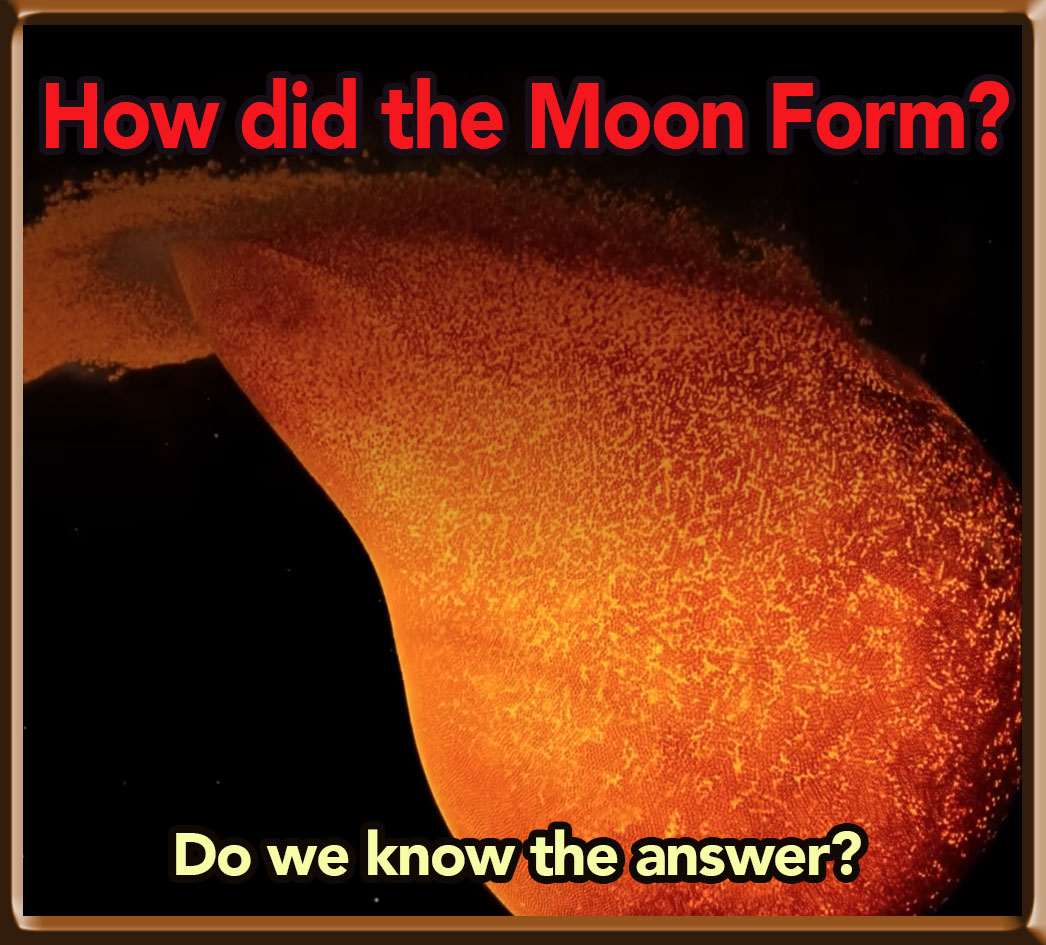
Discover what we know about the Moon’s origin, explore the far side, and get ready to go back to the Moon!

Explore More About the Moon
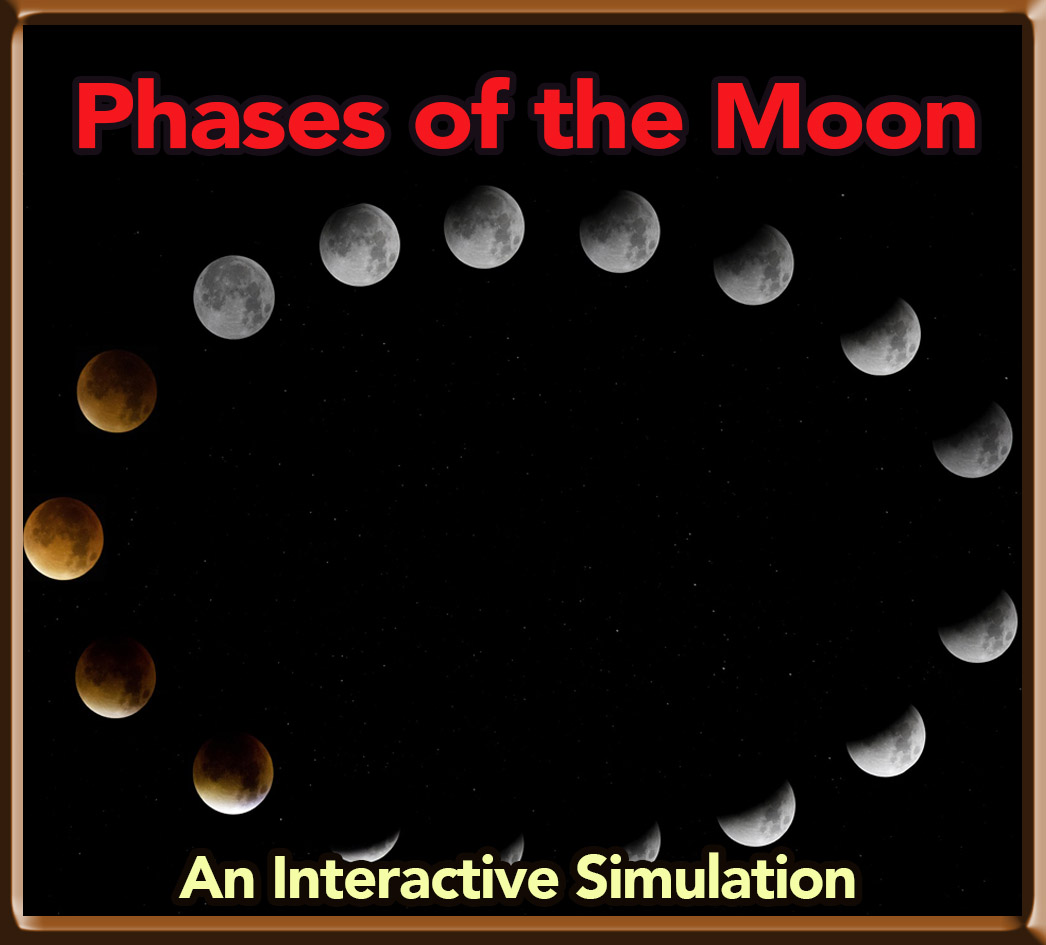
Use this simulation to investigate
the phases of the Moon.

Populations, Ecosystems, and Biomes
DNA
For ages 8 and up.
Make the DNA revolution accessible with a visual, hands-on introduction to molecular biology for beginners.
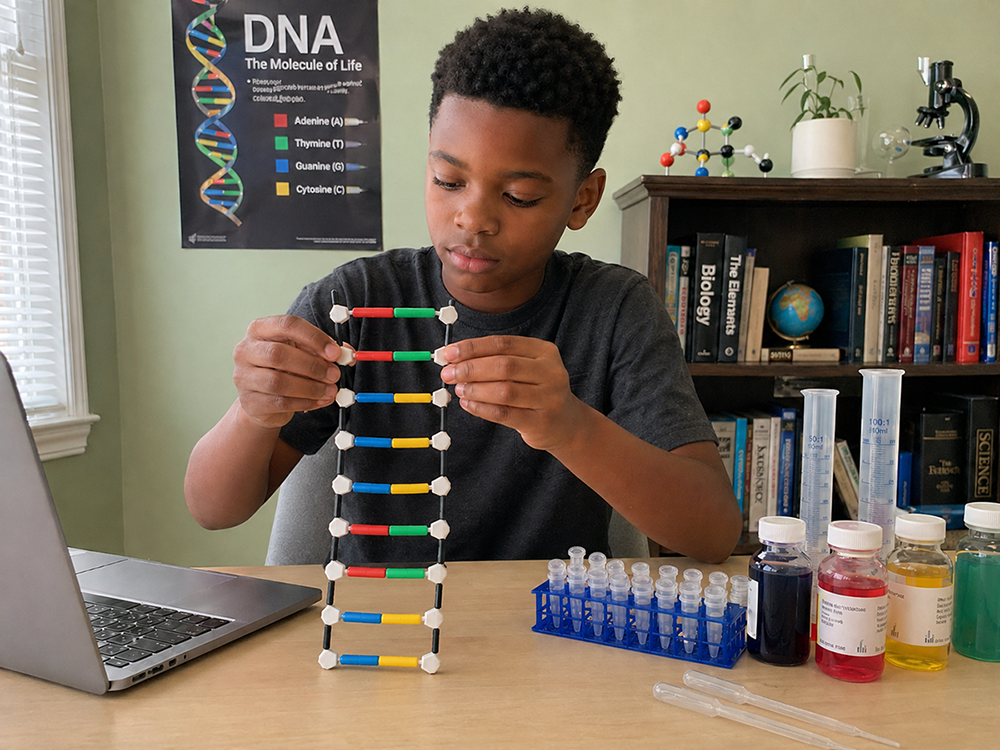
Explore DNA, chromosomes, genes, traits and heredity through real experiments and model-building activities. Hands-on projects include extracting DNA from fruit, spooling real DNA, building a double helix, solving a chromosome puzzle, exploring inheritance, analyzing genes, extracting your own DNA, and making forgery-proof DNA ink.

Explore More About DNA, Heredity and Natural Selection

the DNA eBook with paper and pencil activities, Punnett Squares, quizzes
and simulations.
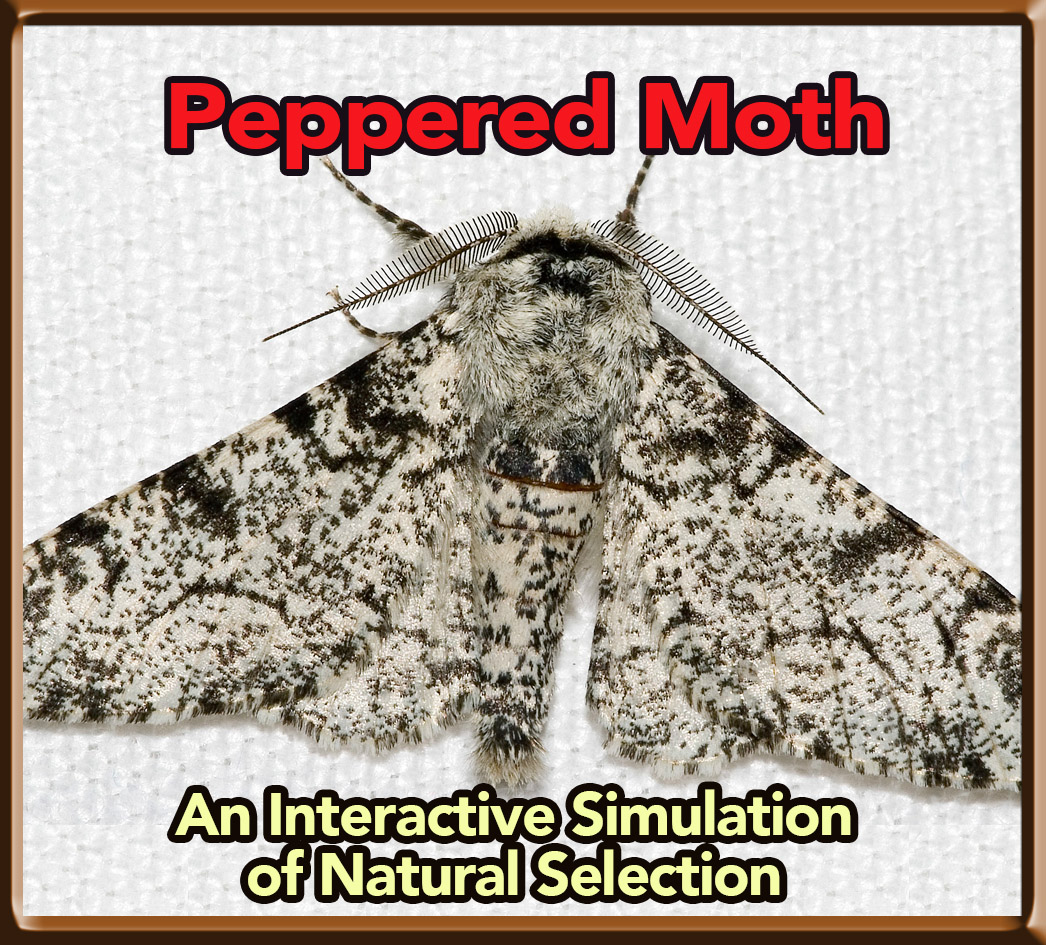
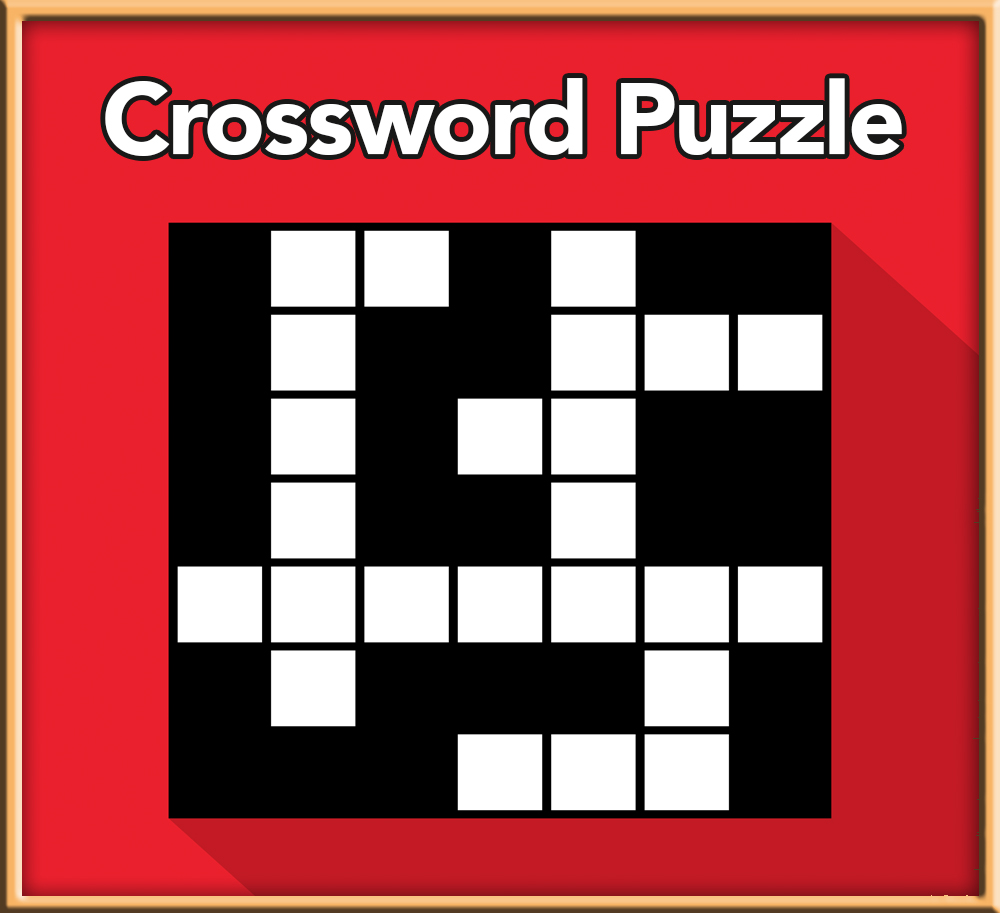
natural selection vocabulary
with an interactive
crossword puzzle.
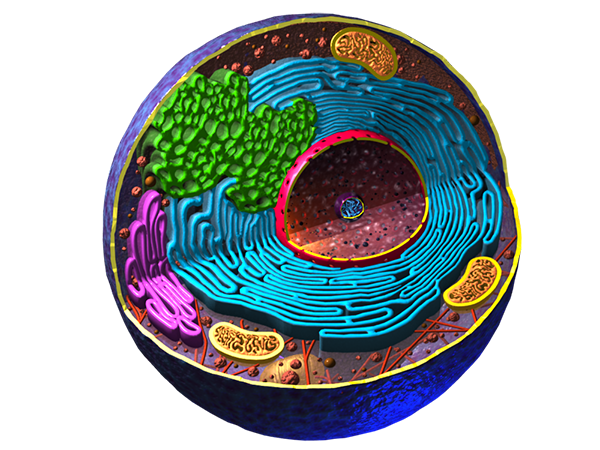

Explore the structure and function of cells, organelles, membranes, nuclei, mitochondria, chloroplasts, and the microscopic world inside living things.

Enter a guided online course on cells with visual lessons, activities, questions, and interactive exploration of cells and organelles.
Birds
Explore the world of birds with this interactive eBook. Make a simple bird feeder, use a free web app to identify birds by image or sound, and observe birds courting, nesting, and raising young on webcams around the world. Investigate feathers, flight, camouflage, bird types, and bird language. Decode bird calls that may warn of a nearby coyote or other predator.
Video Preview of Interactive eBook
Interactive eBooks

Explore More About Birds
CLICK HERE! Bird Beaks, Darwin and Natural Selection CLICK HERE!
Includes games, hands-on activities, videos and reading.

the incredible camouflage of birds.
Can you find the bird hidden
within each image?
Mammals
We live in the Age of Mammals. Meet the remarkable mammals that inhabit our planet today and explore the fossils, footprints, food webs, and family trees that reveal their story. The interactive eBook includes eight hands-on activities: making and cracking open concretions, finding and molding animal footprints, recognizing animal tracks, discovering who eats whom, and crafting a mammalian family tree with printable stickers or images. Learn to identify mammalian fossils through interactive play, and connect hoof prints to diet and digestive systems.
Video Preview of Interactive eBook
Interactive eBooks

Explore More About Mammals

to the mammal?
A Match-Pairs Game
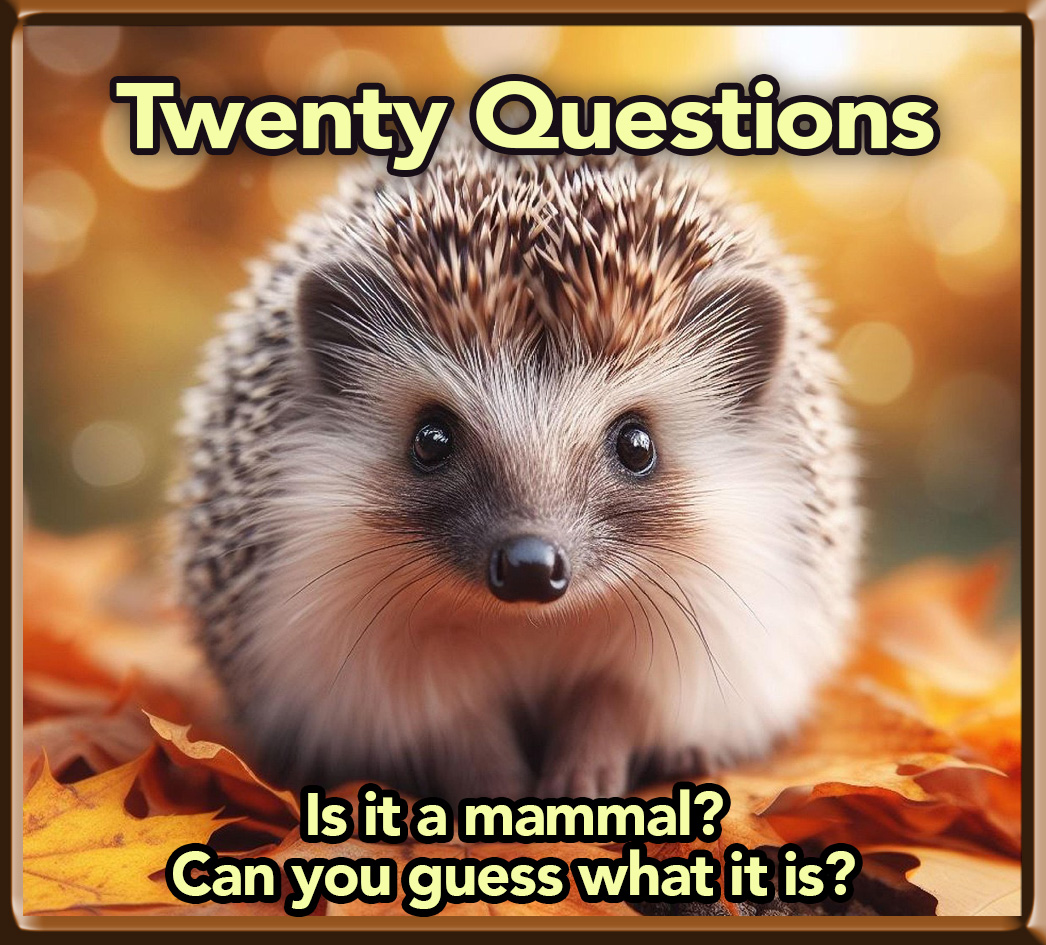
Is it a mammal?
Maybe. Maybe not. You can only ask yes/no questions.
To win, it helps to apply categories.
Frogs, Toads and Amphibians
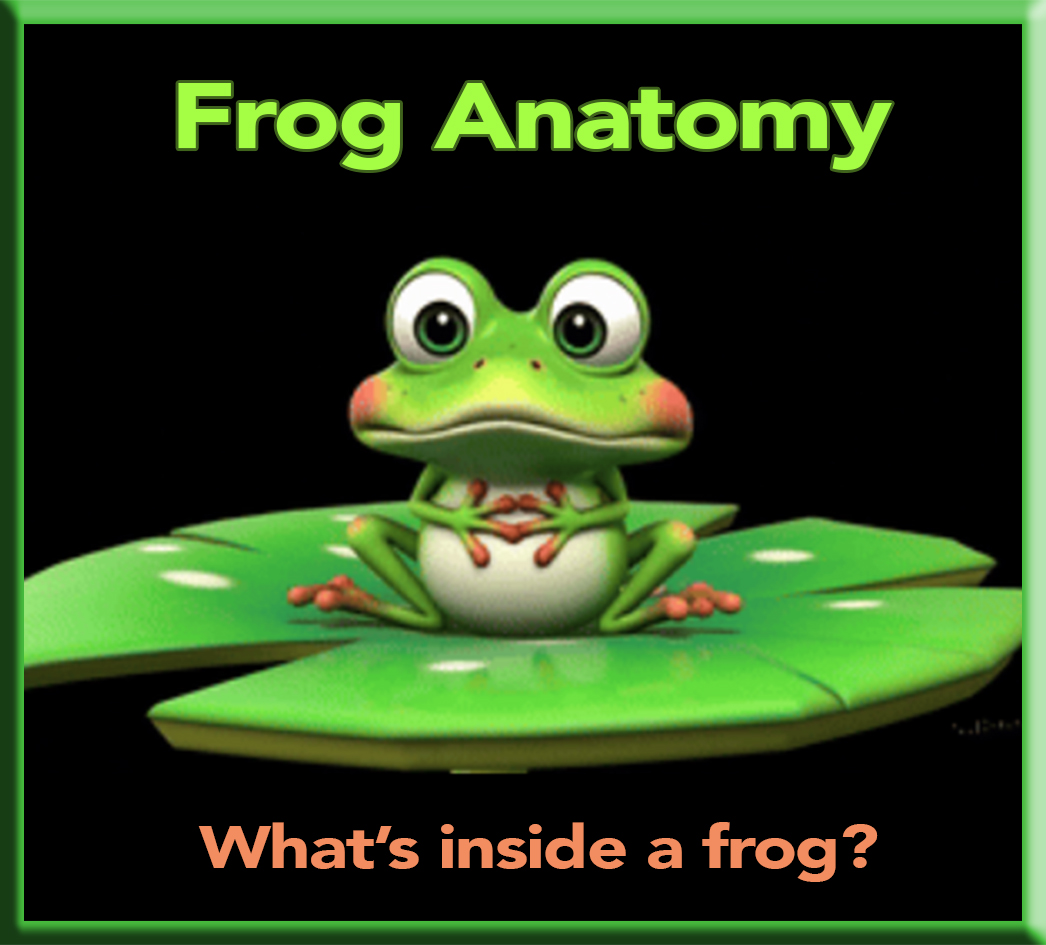
Explore frogs, toads, and amphibians in this interactive eBook for beginners. What makes an amphibian special?
Create a metamorphosis spinner to cycle through the stages of frog development. Do frogs need eyeballs to swallow?
Why do frogs croak? Do frogs have teeth or ears? What are some extreme frog adaptations.
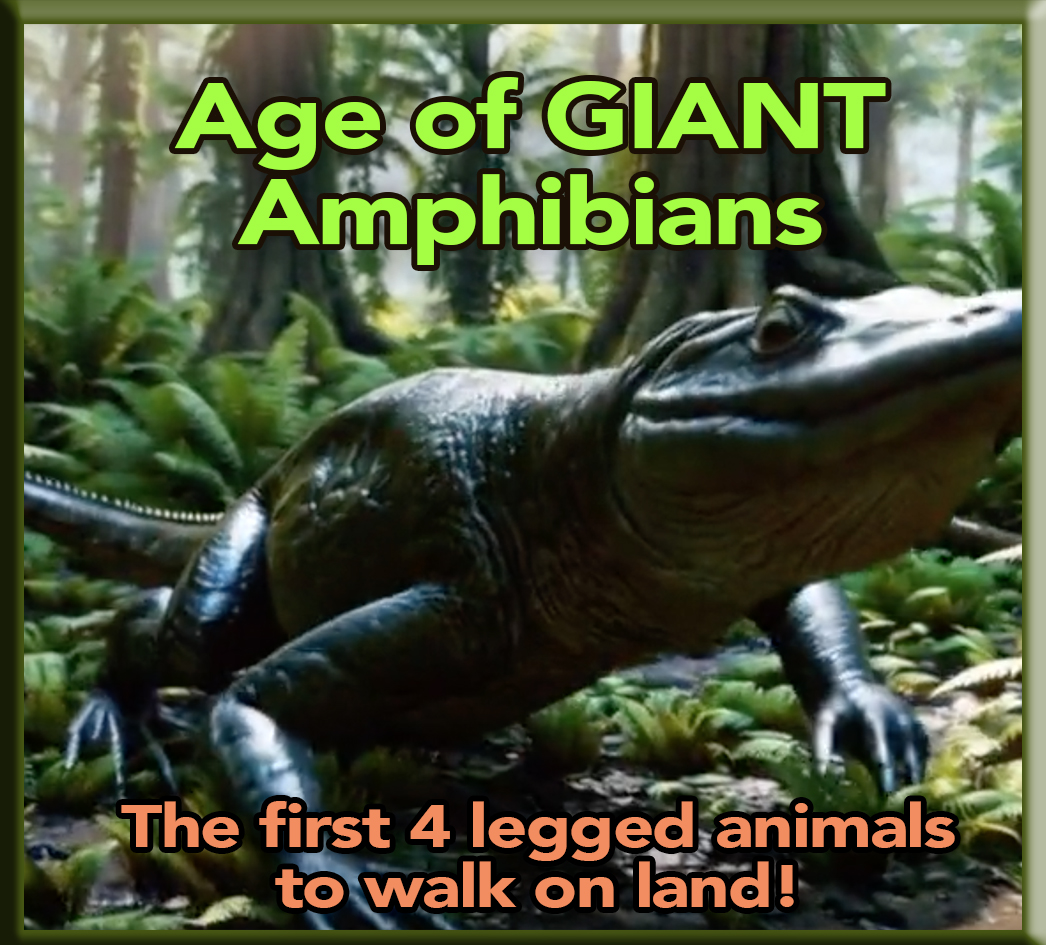
Investigate frog anatomy and learn about the Age of Giant Amphibians.
Video Preview of Interactive eBook
Interactive eBook

Explore more about Frogs, Toads & Amphibians

Introduction to Biomes
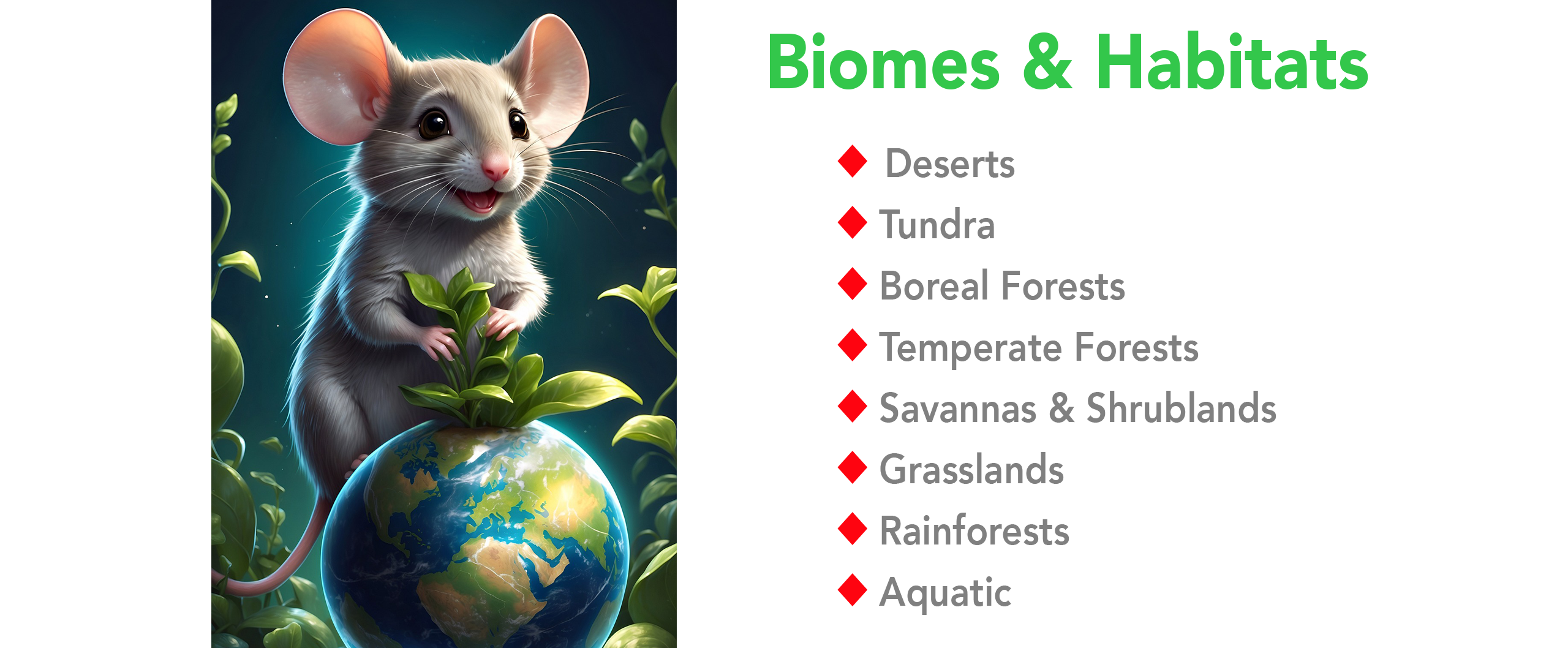
Explore Earth’s major biomes and habitats in this interactive eBook. Travel from Arctic tundra and great conifer forests to temperate deciduous forests, tropical rainforests, deserts, grasslands, and marine biomes. Learn how ecosystems work through food chains, apex predators, keystone species, and the many ways living things survive in different environments.
Video Preview of Interactive eBook
Interactive eBook

Explore More About Biomes
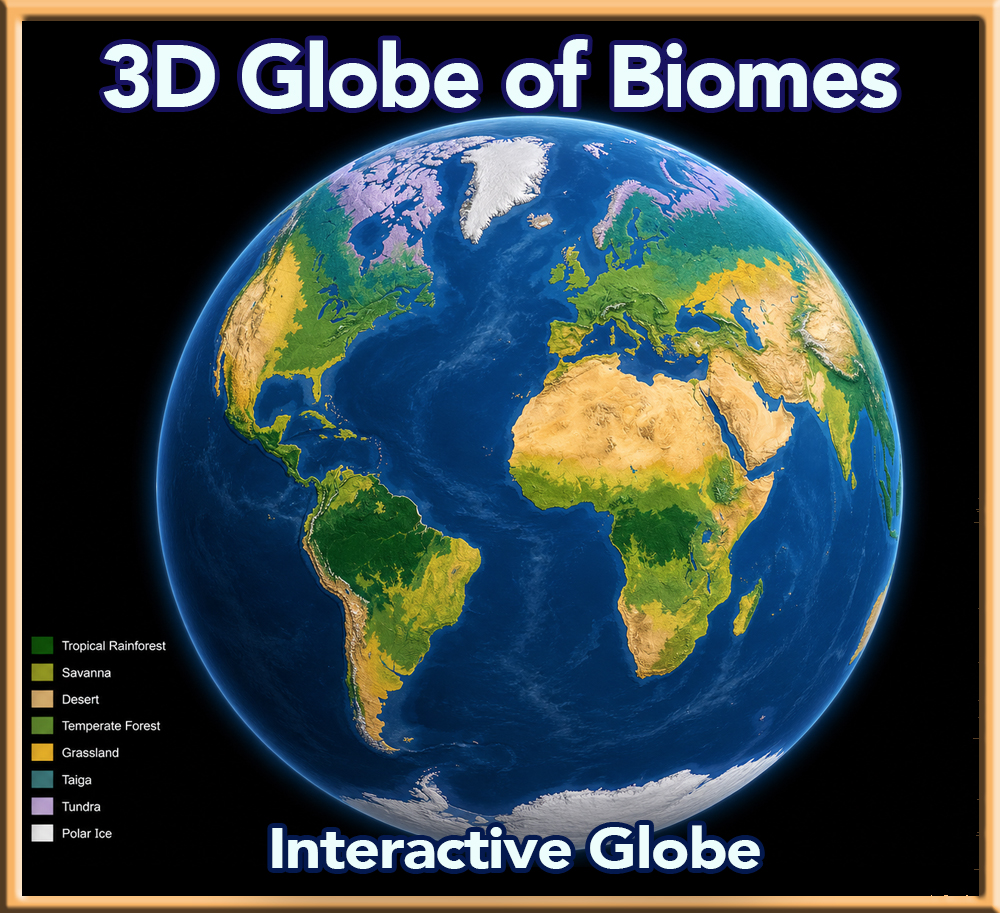
With a 3D Interactive Globe
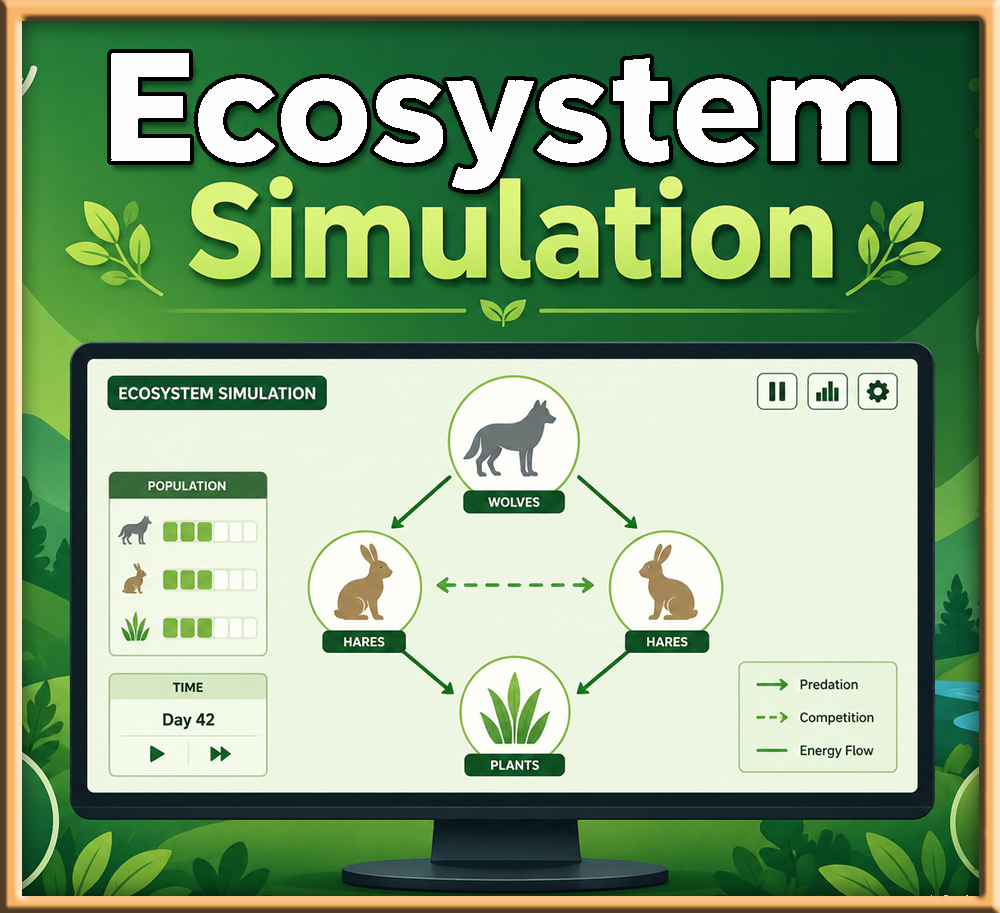
A Simplified Ecosystems
of Each Biomes
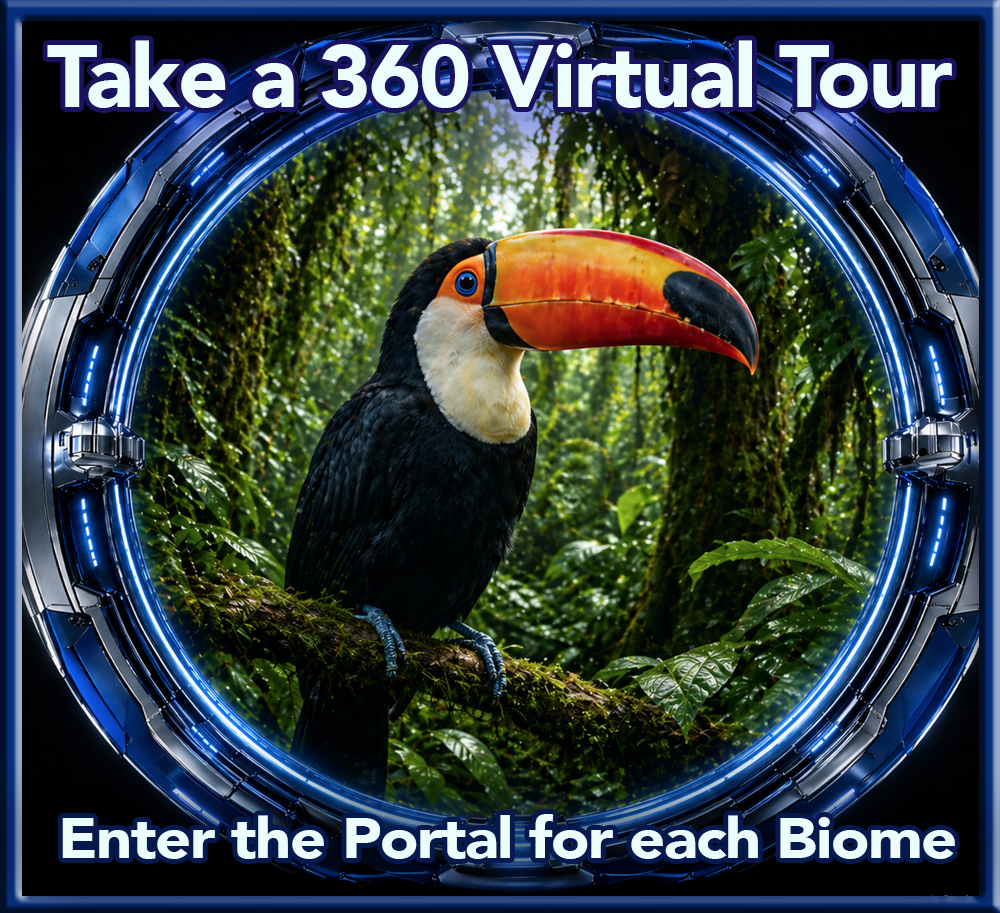
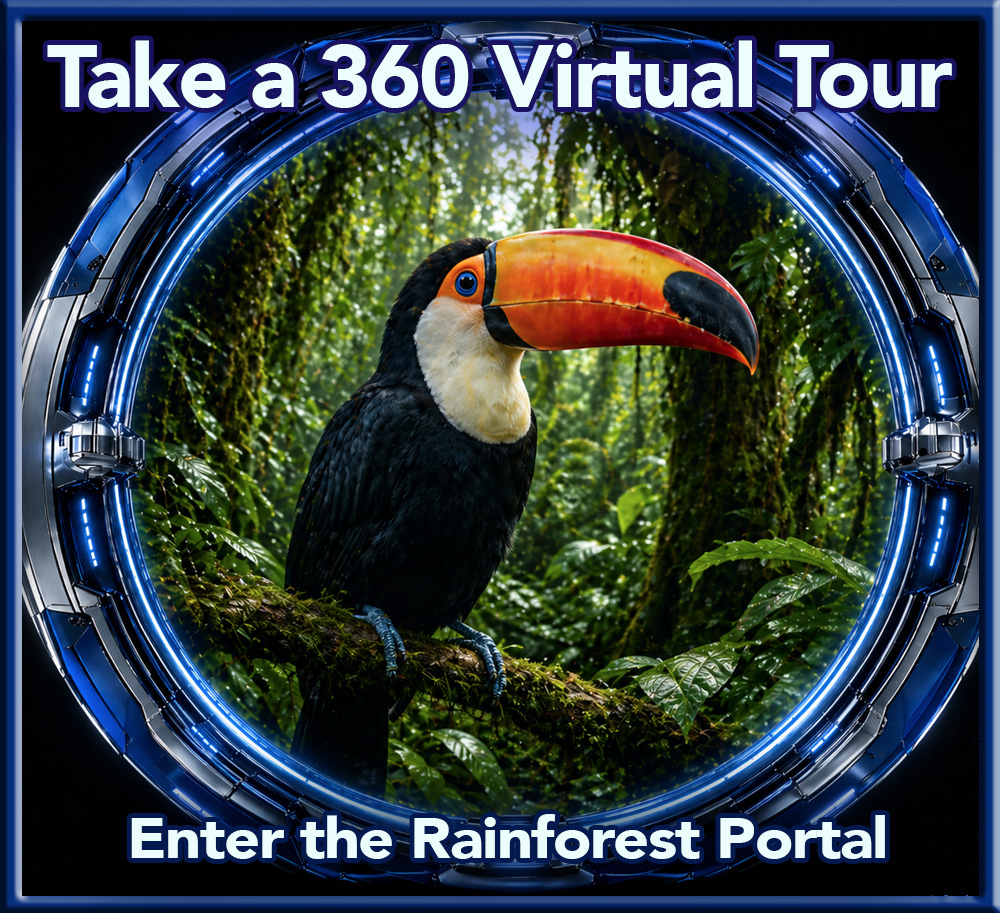
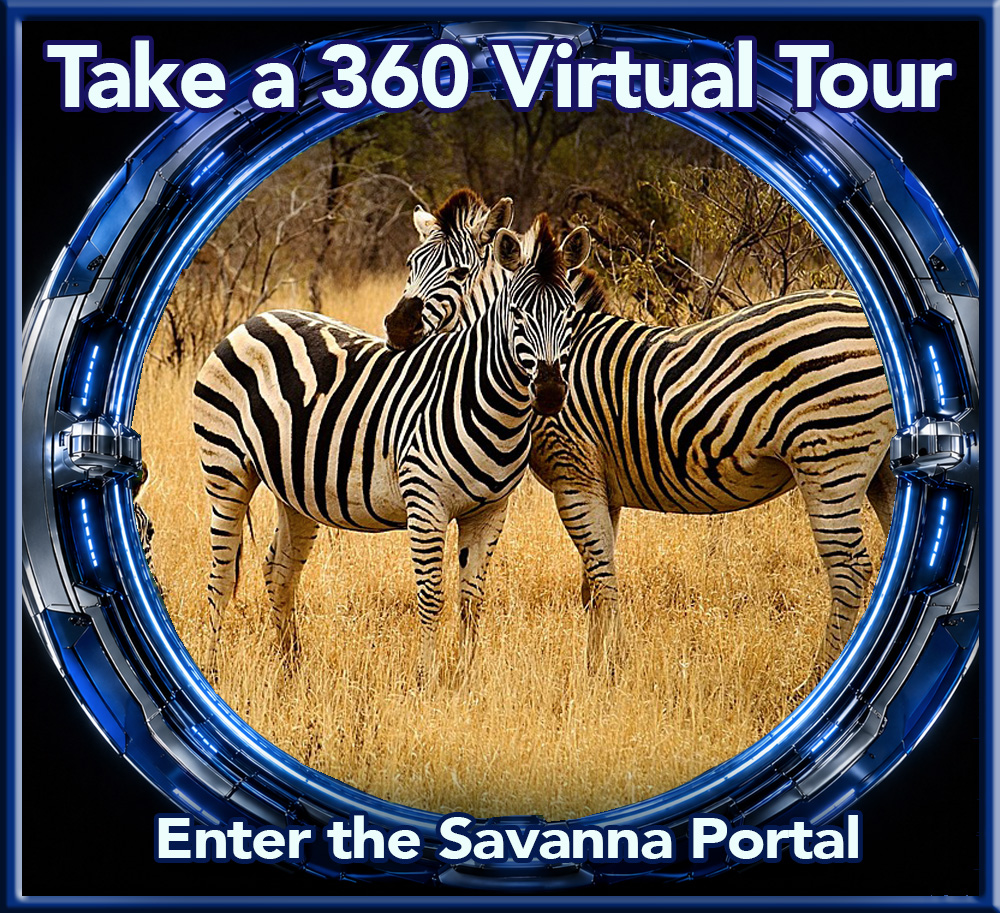
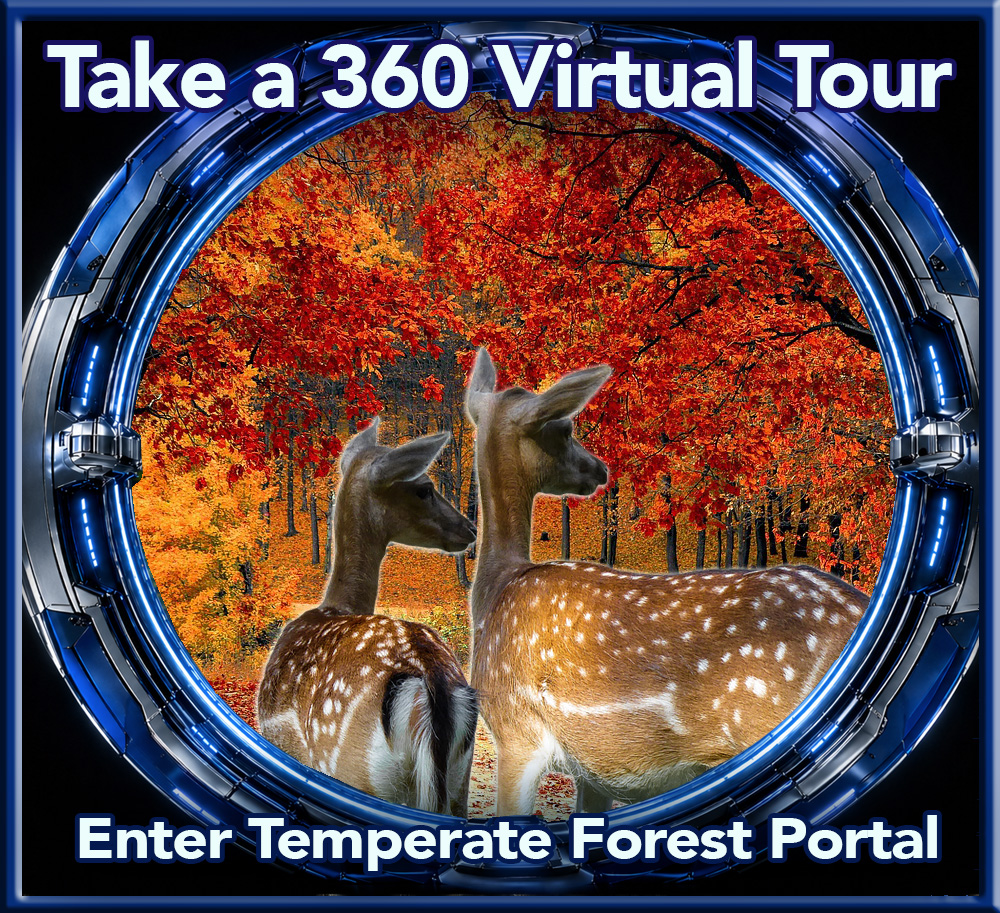
Take a 360 Virtual Tour of Earth’s Biomes
Select one of the biome portals here or below:
Grassland, Marine, Rainforest, Savanna, Temperate Forest, Desert, or Tundra. Experience the actual terrain. Select hot-spots to learn more about the plants and animals that live in each habitat. Includes audio.


The Desert Biome
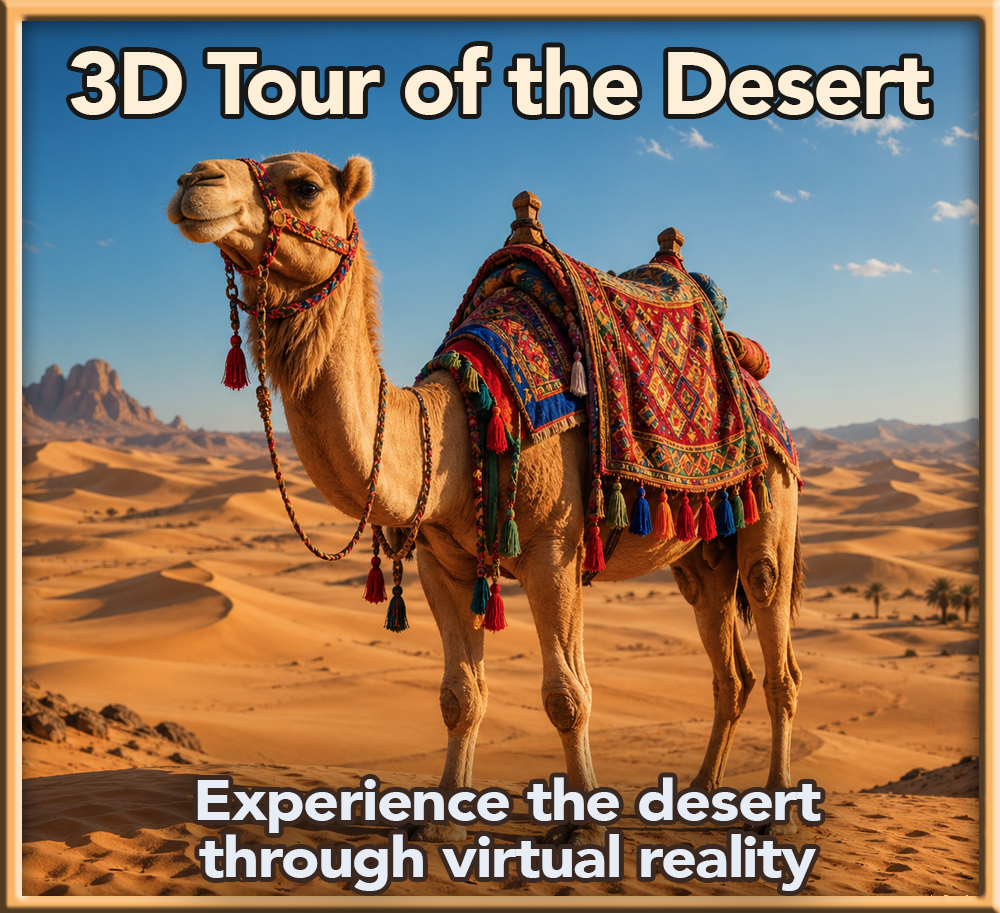
Explore Earth’s desert biomes and habitats in this interactive eBook. Focus on hot deserts, their plants and animals, and the remarkable adaptations that help living things survive with little water and extreme temperatures.
Build a simplified food web for a selected desert habitat and explore how desert ecosystems work.
Video Preview of Interactive eBook
Interactive eBook

Explore More About the Desert Biome

The Tundra Biome
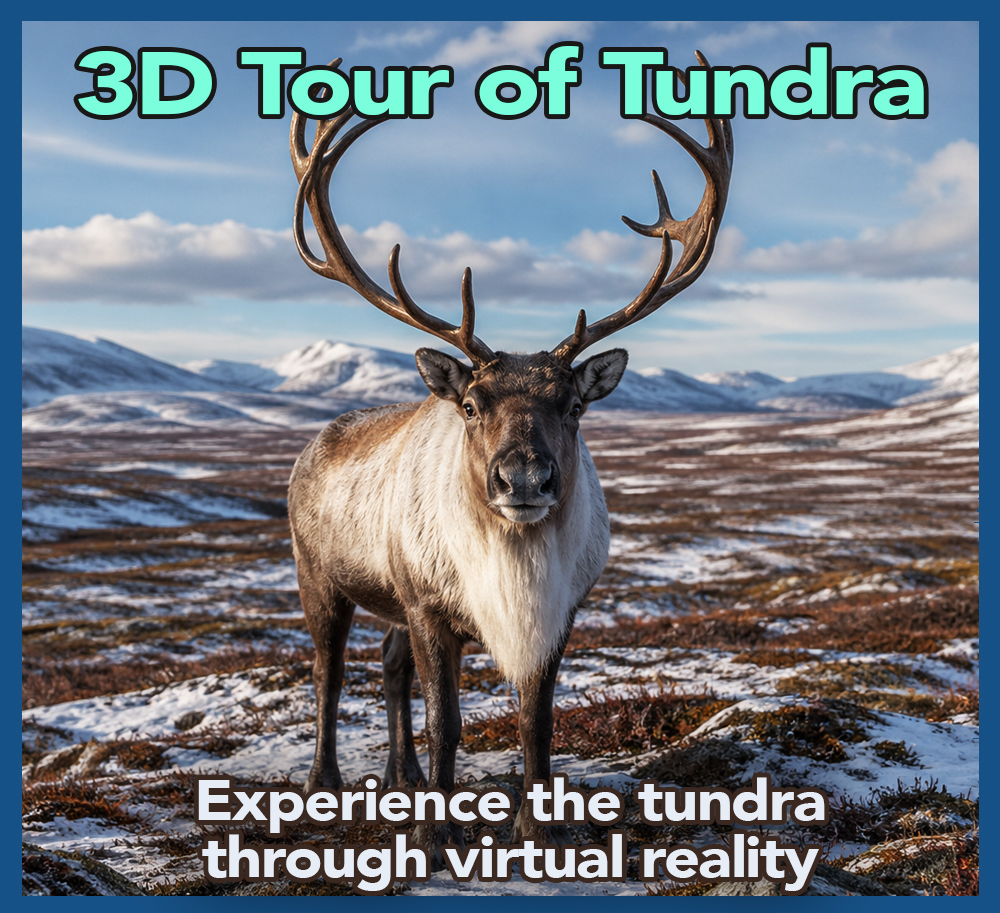
Explore Arctic and Alpine tundra with this interactive eBook. Discover the plants and animals that live there,
and the remarkable adaptations that help living things survive the long, cold, dry winters and very short summers.
Build a simplified food web for a selected tundra habitat and investigate how climate change is affecting this biome.
Video Preview of Interactive eBook
Interactive eBook

Explore More About the Tundra Biome

Taiga or Boreal Forest Biome
Explore the taiga or boreal forests, the largest land biome, with this interactive eBook. Discover the remarkable
adaptations of the plants and animals that help them survive the cold winters of the taiga. Construct a diorama,
build a simplified food web for a selected taiga habitat, and investigate how climate change is affecting this biome.
Video Preview of Interactive eBook
Interactive eBook

Explore More About the Taiga Biome

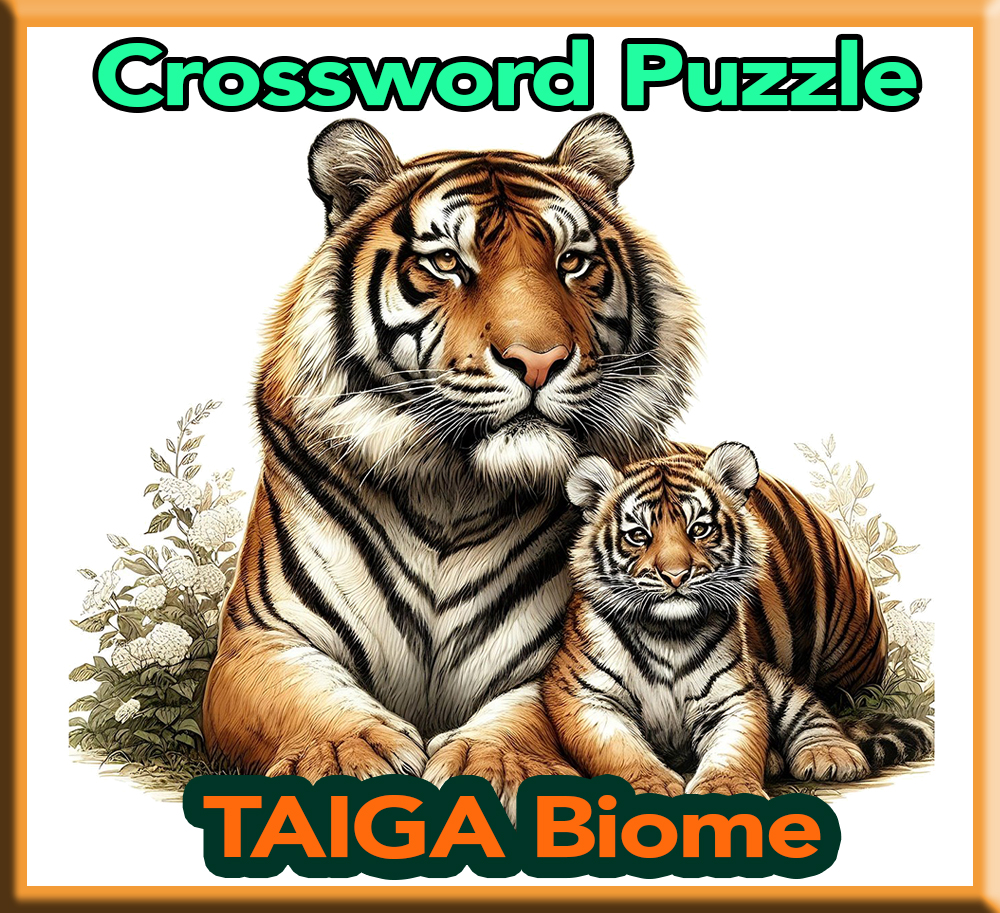
Can you solve the puzzle?
conifer, spruce, fir, pine, larch, evergreen, boreal, forest, cone, permafrost, muskeg, bog, moss, lichen, needles, cones, moose, wolf, lynx, bear, hare, owl, migration, hibernation, wildfire
Science Parties

Thinking Games and Puzzles
Award-Winning Chess Series
Chess, charming? Isn’t that an oxymoron?
Not with this award-winning chess book series by Patzi Stewart!
A friendly path into strategy, problem solving, thinking skills, confidence, and the joy of chess.

Once A Pawn A Time
For beginners of all ages, even very young children! Learn the board layout, the pieces, basic moves, captures, check, checkmate, and the first steps of chess strategy.

Twice A Pawn A Time
Continue building chess skills with stronger tactics, planning, patterns, trading strategies using piece strength and trading values, and problem-solving challenges.

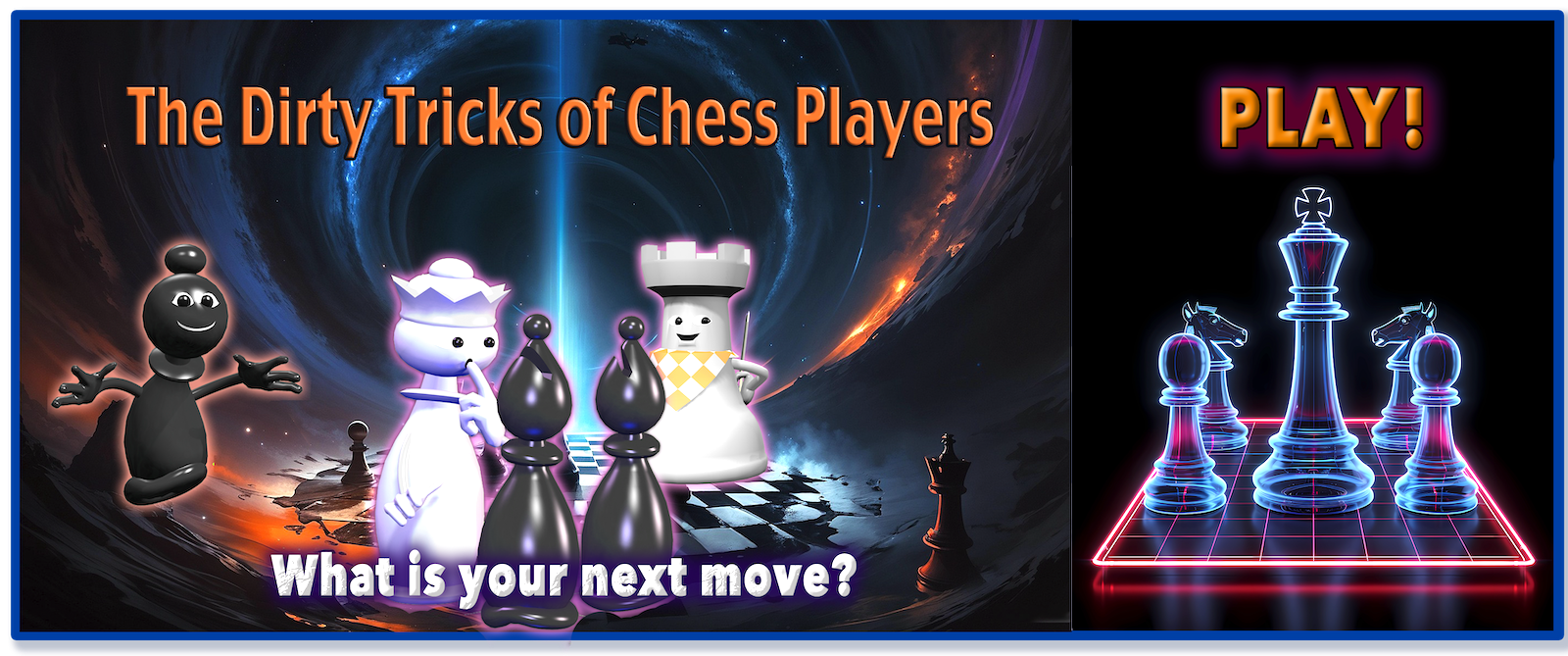
of Chess Players
The secrets to winning chess! Discover common chess tactics, traps, and clever patterns that help players recognize and avoid danger and find winning moves.
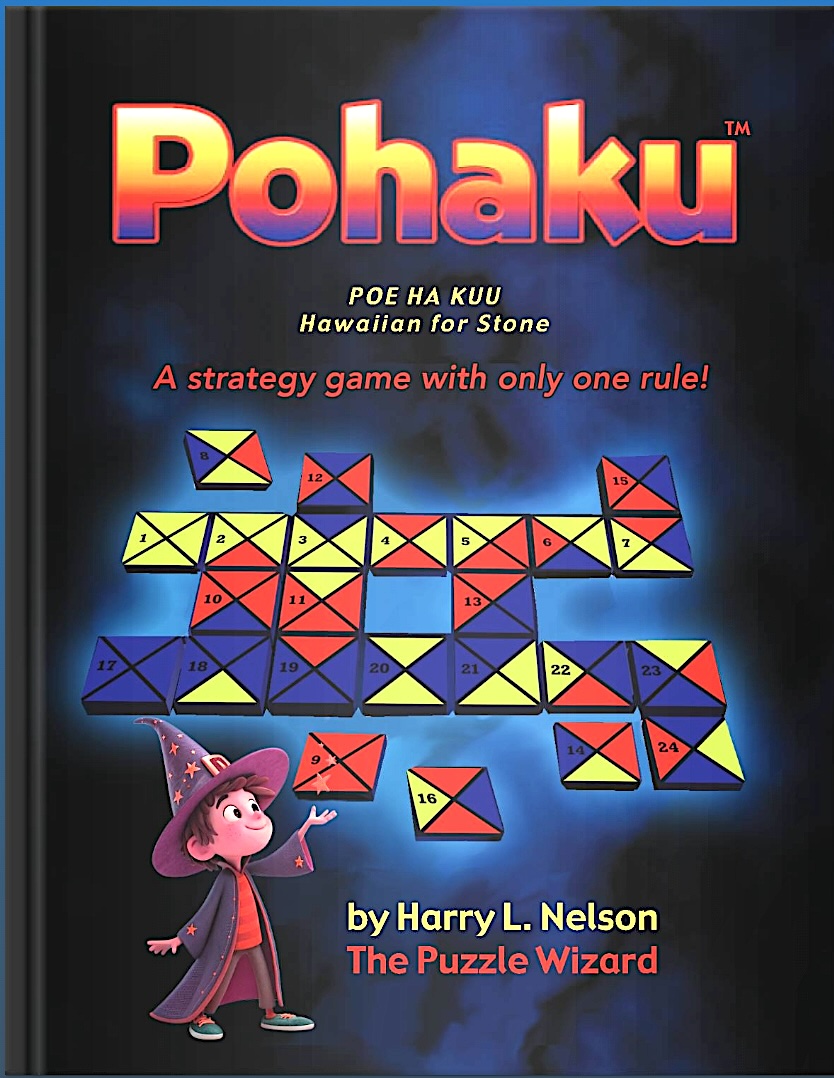
Pohaku — A Book of Puzzles and Games
Pohaku was inspired by the mathematical puzzles of Percy A. MacMahon, whose 1921 book, New Mathematical Pastimes, explored edge-matching, repeating patterns, and tilings.
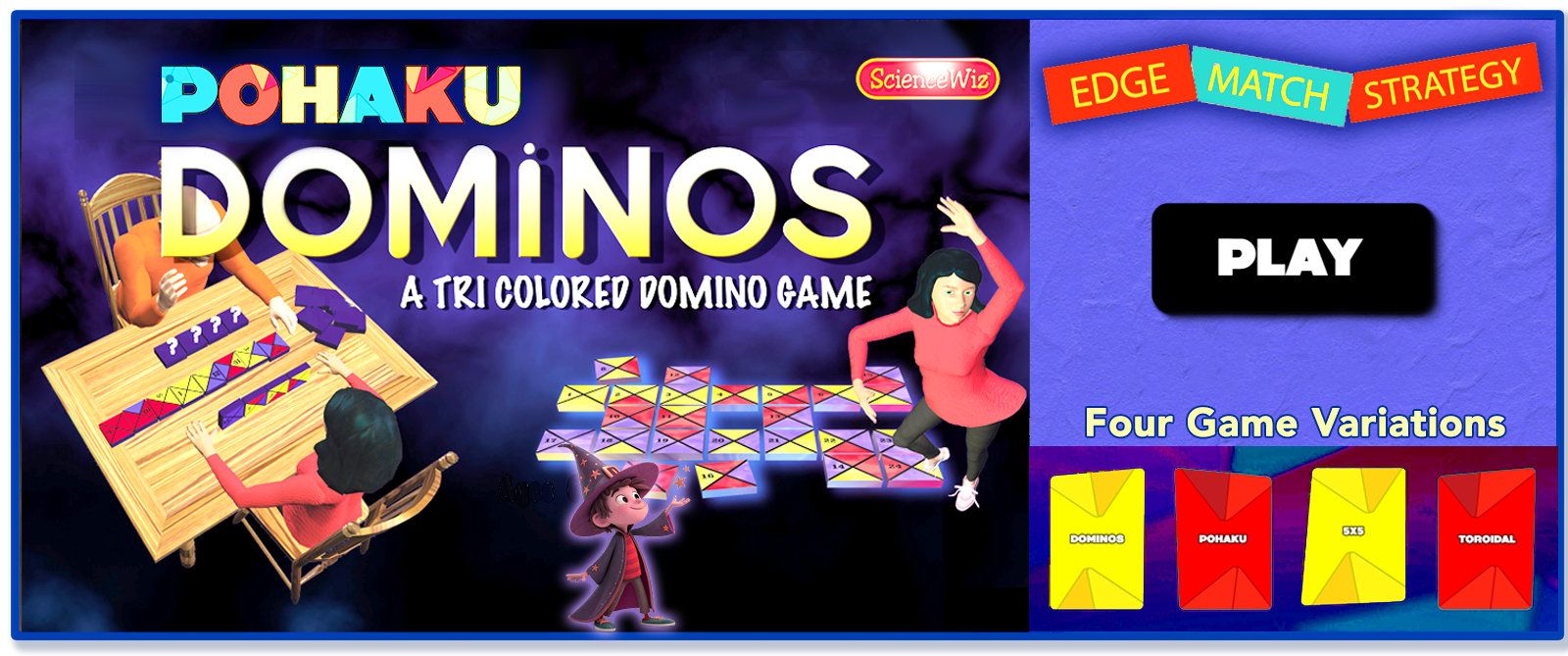
Harry L. Nelson extended MacMahon’s ideas, creating new games (Pohaku Dominos) using patterned squares or "stones". In this book, Harry, personified as Mac, introduces puzzles that invite players to experiment, reason, count, and develop spatial perception.
Like science, mathematics can be experimental. Most of the puzzles in the book can be solved by the method of "random exhaustion". In other words --Try everything and reject what does not work! Of course, judicious insight can vastly reduce the amount of trial-and-error needed.
Ask a Science Expert
(multiple languages)

Select the age level or task and speak or text with Electra


